If you’ve ever felt yourself sink into stillness when listening to a certain sound, or had goosebumps from a powerful piece of music, you’ve already brushed up against the heart of cymatics. Cymatics is basically the study of how sound moves matter. It’s not a new idea; you’ll actually find echoes of it in ancient cultures all over the world, but it’s finding fresh meaning in healing and meditation circles thanks to both science and tradition coming together in pretty cool ways.
Understanding Cymatics: More Than Just Sound
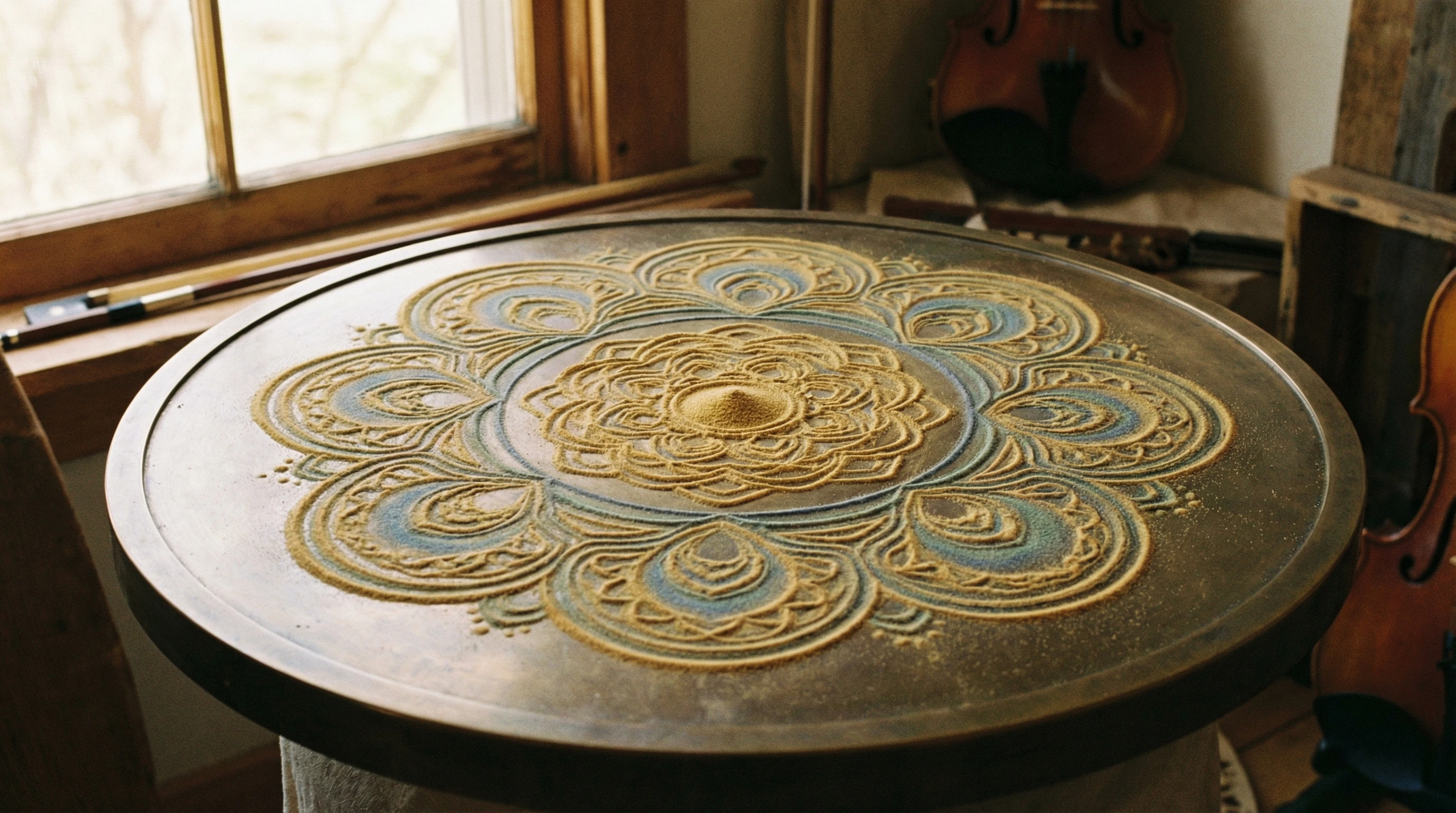
Cymatics was named by the Swiss scientist Hans Jenny in the mid-20th century, but its roots go much further back. Imagine ancient shamans chanting, Tibetan monks playing singing bowls, or even indigenous drumming rituals aimed at healing. These all use sound to create shifts that go beyond just hearing music. With cymatics, you can actually see sound. If you sprinkle sand on a metal plate and play a tone, the sand creates complex geometric patterns. That’s the vibration in action, shaping physical matter to its tune.
This bridges the gap between mind, body, and what I think of as our hidden energetic wiring. Modern studies, such as Dr. Masaru Emoto’s work on water crystals, suggest that sound can literally shape the molecules in our bodies. While his research has drawn its share of critics, it’s sparked a conversation about how deep the impact of sound might be, especially on health and the mind.
It’s also fascinating to see how, worldwide, different cultures have felt the pull to use sound for meaning and connection. Aboriginal Australians used didgeridoos for ceremony; ancient Egyptians believed in the healing power of chants. Even today, jazz musicians and experimental artists explore sound’s influence on mood and consciousness. Sound’s ability to visibly move physical matter invites us to think about vibration as more than simple noise—it’s a life-shaping force.
Healing Roots: Ancient Culture Meets Modern Research
Our ancestors seemed to intuitively get that sound could be used for wellness and transformation. Ancient Greek physicians used lyres and flutes to ease pain and mental distress. Indian rishis and yogis mapped out the seven chakras, each with its own vibration and associated sound syllable. Native American healing ceremonies often center around rhythmic drumming to move energy.
Modern science is catching up, with clinical trials now investigating therapeutic sound for lowering stress, reducing chronic pain, and even speeding up recovery in hospital settings. For example, a 2020 review in the journal Frontiers in Psychology examined sound-based therapies and found promising evidence of effects, including lower anxiety, improved mood, and better physiological responses to pain. These aren’t miracle cures, but there’s definitely something going on at the crossroads of frequency, intention, and the body’s own wisdom.
How Cymatics Works: The Basics for Beginners
Cymatics is based on the principle that every sound has a frequency, and that each frequency can create order or chaos in a physical medium. In healing or meditation, practitioners often use tools such as singing bowls, tuning forks, gongs, and even digital soundscapes, all designed to emit specific, measurable tones that align with the natural rhythms of our bodies.
- Vibrational Alignment: The body is largely made of water, which is highly receptive to vibration. When certain sounds play, those vibrations ripple through our cells, organs, and even our brainwaves.
- Resonance Effect: If a sound’s frequency matches the natural frequency of an organ or energy center (think chakras), it can help return that system to a more balanced or ‘coherent’ state.
- Visual Feedback: Using cymatic plates or water bowls with sound waves, people sometimes get real-time feedback by watching the patterns shift as different frequencies play. This isn’t just pretty; it helps create a sense of connection to the process, which can boost both concentration and belief in the practice.
It’s these patterns, sometimes called Chladni figures, that lend a unique visual aspect to cymatics. The more you experiment with different tones or musical intervals, the more you’ll notice how these shapes change. This simple act of seeing sound can spark curiosity and even deepen your mindful presence during meditation practices.
Practical Cymatics: Healing and Meditation Applications
Cymatics in healing and meditation isn’t about chasing mystical experiences or flashy visuals. It’s actually more about using vibration to help the mind relax and the body unwind, and sometimes to release stuck energy or emotions. Here’s how I use cymatics-inspired techniques, and what I see many thoughtful practitioners doing with good results:
- Sound Baths and Meditation: Lying in a sound bath, you’re surrounded by low, resonant tones. People often describe feeling the vibrations moving through their body, loosening tension, or knocking loose anxious thought patterns. It’s wildly helpful for anyone who struggles to meditate using silence alone because the mind and body have something tangible to tune into.
- Targeted Healing with Tuning Forks: Some sound healers use tuning forks on specific points of the body (like acupuncture, but with sound). For instance, applying a fork vibrating at 528 Hz (“the love frequency”) is said to calm the nervous system or support physical healing. Research, like this study in Integrative Medicine: A Clinician’s Journal, shows promise, especially as a complement to mainstream therapies.
- Chakra Balancing: Each chakra correlates with certain sound frequencies. Using singing bowls or voice chanting, you can target these energy centers to support balance, focus, or emotional release. Whether you believe in chakras or not, many find this a useful framework for bringing more intention to their self-care.
A few practitioners even record their own personalized sound sequences after experimenting with cymatic shapes and tones that they notice help them feel grounded. Whether you’re joining a guided sound bath in a group or simply humming while you meditate at home, the foundational principle is simple: every vibration you invite in shapes your inner experience.
Getting Started: Practical Steps for Using Cymatics at Home
- Choose Your Tool: Tuning forks, metal singing bowls, or even a good set of speakers with a calming sound app all work. Try out several until you find something that feels right in your hands (and your ears).
- Create a Quiet Space: Pick a spot where you won’t be interrupted. Use a mat or comfortable chair, dim the lights, and maybe add a candle for extra calm vibes. Even a few minutes of prep signals to your nervous system that it’s time to let go and tune in.
- Start with Simple Tones: Strike your bowl or fork, or play a single pure tone. Focus on where you feel the vibration in your body. Don’t try to force anything; observe.
- Breathe With the Vibration: Sync your breath with the sound’s pulsing. Inhale as the tone swells, exhale as it fades. It sounds simple, but it can create a powerful calming effect, especially if your mind tends to wander.
- Journal Your Experience: After a short session, jot down what you noticed—any feelings, physical changes, or even patterns of thoughts. Tracking your experience over a few weeks can help you fine-tune your approach and notice shifts that might otherwise pass unnoticed.
You can experiment further by creating your own simple cymatics display. Put some water in a shallow bowl, place it atop a portable speaker, and play slow, low tones to watch the ripples and geometric shapes appear and shift. This visual feedback is both fascinating and meditative, reinforcing your mind-body connection.
Challenges and Myths About Cymatics
- Promising, Not Miraculous: While cymatics can support relaxation and healing, it’s no instant cure-all. Serious physical or mental conditions still need professional care. Cymatics is a support, not a replacement.
- Science Still Catching Up: Many traditional healing methods use sound, but modern research is still in its early days. Some results are positive but early, so a healthy bit of skepticism is good. Trust your experience, but pay attention to research as it develops.
- Misconceptions About “Perfect” Frequency: You might hear about universal frequencies that “fix everything.” Bodies and minds are more complex than that, and what calms one person might agitate another. Personalizing your approach is more useful than chasing hype about miracle tones.
Sound Bath Safety and Sensitivity
Some people are sensitive to vibrations or sound intensity. If you get dizzy, anxious, or uncomfortable, stop the session or lower the volume. At times, deeply held emotions can surface during sound sessions. Having a trusted friend or practitioner nearby can really help.
Bringing Cymatics Into Everyday Life
You don’t need pricey gear or a big ceremony to make cymatics work for you. Playing calming music with background sounds of bowls, gongs, or nature while you work or relax can be a practical everyday practice. If you’re curious, try experimenting with water and sound at home; play different tones and watch how water in a bowl picks up the vibration. You’ll start to see that your body, mood, and mind are always responding to the “soundscape” around you, even when you’re not paying attention.
- If you notice certain sounds help you focus or feel at peace, keep them in your routine.
- If certain noises make you tense, try gently reducing or managing them in your space.
- Try spending a few minutes each morning with a favorite tone or gentle chant. This can help you start the day with clarity, intention, and calm.
Cymatics can also foster creativity. Many artists and designers draw inspiration from cymatic patterns, adding unique textures and shapes to visual artwork, textiles, and even architecture. Watching how sound sculpts form reminds us that creativity isn’t limited to what we see; sometimes a whole world unfolds beyond our visible senses.
Frequently Asked Questions
Question: Can cymatics be used for serious health issues?
Answer: It’s helpful as a relaxation or self-care method, but always use it alongside, not instead of, any needed medical treatment. Talk with your healthcare provider if you’re thinking of adding sound healing to your wellness plan.
Question: Do I need special training to use cymatics for meditation?
Answer: No, but a little guidance can boost your confidence. Many people start with online classes or local workshops that explain technique and safety. If you want to delve deeper, consider connecting with a certified sound therapist.
Question: Is there a right or wrong way to do a sound bath?
Answer: As long as you’re mindful of your body’s reaction and respect your comfort levels, you’re doing it right. Trust your instincts, and don’t worry about perfection; the point is to support your mental and physical balance.
Reflection: Sound, Self, and the Art of Tuning In
Cymatics isn’t about chasing mystical highs or miracle fixes. It’s about tuning in to your environment, your body, your inner state, using one of the oldest and most natural tools there is: vibration. The more you pay attention to how certain sounds feel, the more you can fine-tune every aspect of your daily life. Whether it’s a full-on sound bath or just a gentle hum as you breathe, cymatics offers fresh ways to find harmony. Sometimes the answer isn’t outside us; it’s just a different frequency away.