Ever found yourself craving deeper peace, inner clarity, or faster healing, only to feel overwhelmed by all the spiritual healing techniques out there? You’re not alone. The world of spiritual healing can feel like a maze, filled with ancient wisdom, new-age ideas, and sometimes, plain confusion. I’ve been exploring these practices for years; some worked, some fizzled out. I’m here to break down the best spiritual healing techniques you can try, explain what actually works (and why), and offer simple steps so you can start today.
Why Spiritual Healing Techniques Matter Now
Life today is fast, noisy, and can leave you frazzled before breakfast. Spiritual healing techniques can bring real calm, focus, and personal growth. I’m not talking about magic wands or overnight fixes. These practices blend ancient wisdom with what neuroscience reveals about stress, emotion, and transformation. The point isn’t to escape “real life” but to bring more presence and meaning into every day.
Many techniques come from traditions like Buddhism, Yoga, or Shamanism, cultures that developed tools for inner peace long before Instagram self-care hacks existed. Modern science even supports some of what these traditions have always known. Meditation changes your brain, breathwork soothes your nervous system, and simple rituals can make you happier. With stress and anxiety levels rising globally (CDC stats), exploring spiritual healing isn’t just interesting; it’s actually pretty important for your Wellbeing.
Top Spiritual Healing Techniques to Know
There’s no single “right way” to heal or awaken. Different practices work for different people and situations. Here are a few of the most respected spiritual healing techniques. I’ve included practical explanations and tips so you can jump in, even if this is brand new territory for you.
- Meditation and Mindfulness: Training your mind is the heart of spiritual growth. Regular meditation rewires your brain’s response to stress (neuroscientists have shown reduced amygdala activity; see study). Mindfulness, or moment-to-moment awareness, teaches you to observe thoughts without judgment. Over time, it’s like mental weightlifting for resilience and compassion.
- Breathwork: Controlling your breath isn’t just a yoga gimmick. Breathwork techniques (like box breathing or alternate nostril breathing) calm your nervous system fast. I use them when anxious, overwhelmed, or needing extra focus. Research backs up that conscious breathing improves mood and even blood chemistry.
- Energy Healing (Reiki, Qigong, Pranic Healing): These methods aim to balance your life force energy, sometimes called “qi” or “prana.” Practitioners use handson (or handsnear) approaches to help release blockages. Even if you’re unsure about subtle energy, many people report feeling deeply relaxed, which by itself helps the body heal.
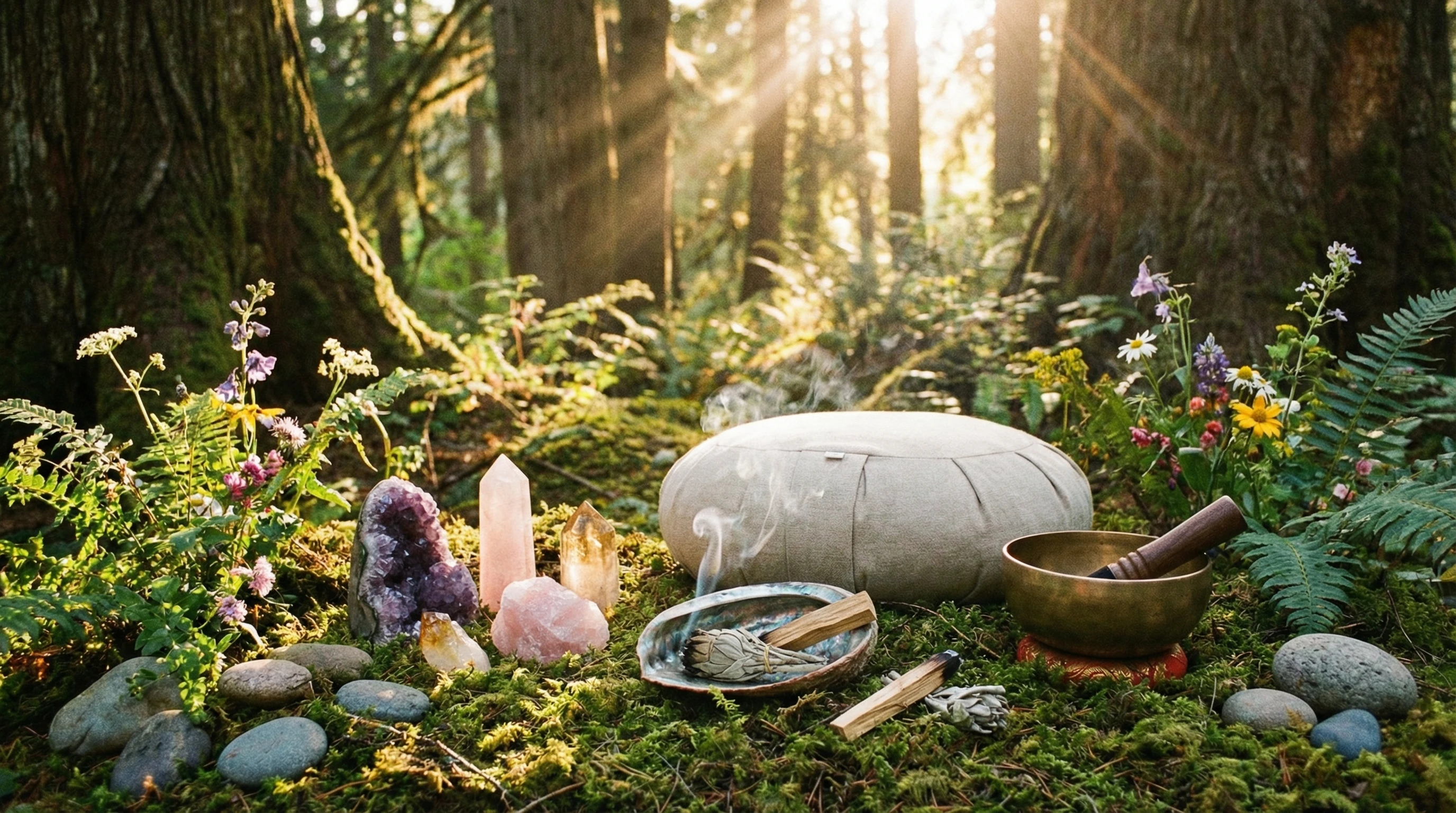
- Sound Healing: Instruments like singing bowls, gongs, or tuning forks aren’t just relaxing; they change your brain’s electrical patterns. One study found that singing bowl meditation dropped heart rate and anxiety within minutes (source). I cue up a sound bath when I can’t quiet my mind.
- Journaling and Expressive Writing: Harnessing self-reflection through writing is a classic (and scientifically supported) way to process pain, track growth, and spark spiritual insight. Pouring your thoughts onto paper can move stuck emotions and reveal patterns you’d otherwise miss.
Getting Started with Spiritual Healing Practices
Getting into spiritual healing isn’t about collecting rituals or running away from life’s messiness. It’s about learning practical tools that work alongside therapy, medicine, or whatever else you use for Wellbeing. Most healing traditions encourage going slow; progress comes from small, regular effort, not big showy gestures.
I recommend picking just one or two techniques to start. Here’s what you might need for each:
- Meditation: A quiet spot, smartphone timer, and curiosity. Try apps like Insight Timer or Headspace for guidance.
- Breathwork: Sit upright with a straight spine. Start with simple box breathing: inhale for 4 counts, hold for 4, exhale for 4, hold for 4. Repeat for a few minutes.
- Energy Healing: Seek a certified Reiki or Qigong practitioner for a session, or try simple self-healing by placing your hands over your heart and breathing slowly.
- Sound Healing: Use YouTube for guided sound baths or get a singing bowl (they’re easier to use than you might think!).
- Journaling: Any notebook works. Set aside 10 minutes and freewrite about your feelings or spiritual questions. Try not to censor yourself.
Common Struggles and How to Move Through Them
Mistakes and doubts are part of every healing adventure. Here are a few hurdles I see a lot, and my take on getting past them:
- “I Can’t Quiet My Mind:” This is super common, especially with meditation. The goal isn’t to stop thinking but to notice thoughts without getting hooked. If you keep wandering, you’re not failing; you’re practicing awareness!
- “Nothing Happens When I Try Energy Healing:” Sometimes, results are subtle. Give it some time, focus on the relaxed feeling, and remember: Not every practice shows fireworks right away. If you feel calm or lighter, it’s working.
- “I Don’t Know What Practice to Choose:” Listen to your gut and start small. If you dread a ritual, ditch it and try something else. Exploration is half the fun.
Feeling lost or stuck is normal. Consistency matters more than intensity, especially in spiritual healing. Remember, even small steps forward count, and sometimes the most unexpected technique leads to big changes over time. Don’t stress about making it perfect; your healing adventure is your own to create.
Practical Guide: Try This Simple Spiritual Healing Routine
- Choose a practice from above that appeals to you right now.
- Set aside 10 minutes somewhere quiet. Silence your phone and let others know you’re off limits.
- If you meditate, focus on your breath or repeat a calming phrase (like “I’m here now”). If breathwork, try slow box breathing for 3–5 minutes. If journaling, write whatever comes to mind. If sound healing, put on a 10-minute sound bath track with headphones.
- Notice your body, emotions, and thoughts after. Write down any changes, no matter how small.
Doing this once might offer relief. Doing it daily for a week can start to mix up old patterns, clear your head, and boost your mood. Track how each technique affects you and keep notes. Swap or combine practices as you go, and don’t be afraid to experiment.
How to Pick the Technique That’s Right for You
Each spiritual healing technique resonates differently depending on your personality and needs. Here’s how I figure out what works best for me, and how you might too:
- Introvert or anxious? Journaling and meditation can feel cozy and private.
- Energetic or restless? Breathwork and sound healing can quickly move stuck emotions.
- Love ritual and tradition? Explore energy healing or chant mantras to tap into ancient practices.
- Feel skeptical? Start with mindfulness meditation or journaling, since there’s a lot of scientific support for both.
Try not to measure progress by “big breakthroughs.” Look for tiny signs: a drop in stress, better sleep, fewer spirals into worry, more patience with others. The real benefits build with regular, compassionate practice. Occasionally, switch up your routine to keep things fresh and see what feels right over time.
Frequently Asked Questions About Spiritual Healing Techniques
What’s the fastest way to feel results from spiritual healing?
Breathwork can switch up your state within minutes, while meditation or journaling work best with steady practice. Go with what feels easy to start, rather than what sounds the fanciest.
Is there science behind these practices?
Yes, especially for meditation, breathwork, and journaling. Many studies show changes in stress hormones, brain activity, and emotional resilience (PubMed). Practices like Reiki or energy healing are harder to measure but often help people relax; sometimes that’s all your body needs.
Do I need a teacher, a ,one-size-fits-all approach, a or can I learn these techniques on my own?
You can start most techniques solo (thanks to apps and online guides), but teachers can offer community, personalized tips, and accountability. Listen to what feels most supportive for you.
Key Takeaway for Your Spiritual Healing Adventure
No technique is one-size-fits-all, and the “best” spiritual healing practices are the ones that fit your lifestyle and personality. Mixing ancient wisdom with modern science, these tools can help you create more calm, clarity, and deep connection in daily life. Start where you are, keep it simple, tweak as you go, and let your own experience guide you. Keep exploring, trust the process, and remember: you have everything you need within you to get started.
Looking for more ideas? You might like:
– “How Breathwork Transforms Emotional Patterns”
– “Beginner’s Guide to Mindfulness Meditation”
– “Why Journaling is the Most Overlooked Healing Practice”