
Here’s a little transparency: Our website contains affiliate links. This means we may receive a small commission if you click and make a purchase. Don’t worry—there’s no extra cost to you. It’s a simple way you can support our mission to bring you quality content. Learn more at the Affiliate Disclosure page.
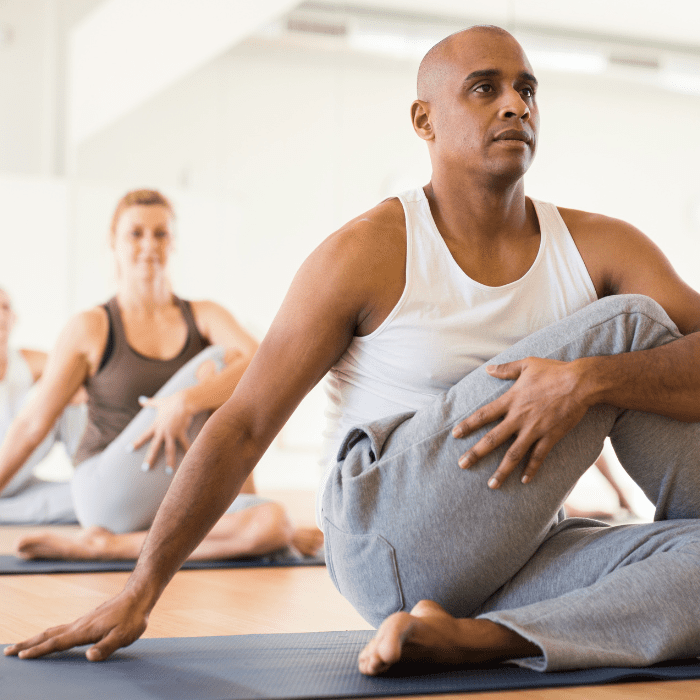
Improving Your Flexibility through Yoga Asanas: A Comprehensive Guide for All Individuals
Flexibility isn’t just about reaching your toes or performing intricate poses—it’s a fundamental aspect of overall health and well-being. Whether you’re a seasoned yogi or new to the practice, improving flexibility can enhance your physical comfort, prevent injuries, and deepen your spiritual journey.
Yoga asanas, or postures, are more than stretches; they are transformative exercises that integrate body, mind, and spirit. This comprehensive guide explores the benefits of yoga asanas for flexibility, delves into the scientific and spiritual dimensions of practice, and offers practical advice to help you unlock your body’s full potential.
Flexibility and Yoga Asanas: Enhancing Physical Comfort and Spiritual Growth
Flexibility extends beyond simply being able to touch your toes. It is about granting your muscles and joints the range of motion they need for daily comfort and ease. Yoga asanas offer a unique blend of physical benefits and spiritual growth for those on a spiritual journey, especially Transcendental Meditation (TM) Sidhis practitioners. This article explores how yoga asanas enhance flexibility, integrates scientific and spiritual insights, and debunks common myths about yoga. Join us as we embark on a journey to greater flexibility and holistic health through the transformative power of yoga.
Understanding Flexibility in Daily Life
Flexibility impacts daily life, from reaching items on high shelves to sitting comfortably on the floor. It helps prevent injuries and enhances overall physical health. Research supports these benefits, showing that improved flexibility reduces muscle tension, enhances blood circulation, and improves posture (Kolasinski, 2003). Flexibility allows the body to perform everyday tasks efficiently, whether reaching, bending, or sitting, without discomfort.
One of the most significant advantages of improving flexibility through yoga is injury prevention. Tight muscles are more susceptible to strains and pulls. By lengthening and strengthening them, yoga makes you less prone to injuries, regardless of age or activity level. Improved flexibility also means better alignment and posture, which can alleviate back pain and other discomforts associated with poor posture.

The Science Behind Yoga Asanas and Flexibility
Muscle Stretching and Healing
Yoga asanas are grounded in the science of muscle stretching. When you engage in yoga, you gradually lengthen your muscles, improving flexibility over time. Stretching causes microscopic tears in muscle fibers, which heal and increase muscle elasticity and joint range of motion (Weppler & Magnusson, 2010). This process is akin to giving your muscles a rejuvenating spa treatment. By promoting circulation and healing, yoga helps maintain muscle health and function.
Gradual Stretching and Strengthening
Unlike aggressive workouts that strain the body, yoga allows for gradual improvement. Each practice session gently stretches and strengthens muscles, increasing flexibility over time. Flexibility is not achieved overnight, but your range of motion will improve with consistent practice. This gradual process helps prevent injuries and ensures that your body safely adapts to the increased flexibility.
Mind-Body Connection
Yoga enhances mindfulness and mental clarity through its practice. Scientific studies have demonstrated that yoga improves focus and reduces stress (Gothe et al., 2013). By integrating movement with breath control and mental concentration, yoga fosters a deep awareness of the body and mind. This mindful approach helps you stay present and aware, deepening your stretches safely and enhancing overall well-being.
The Spiritual Dimensions of Yoga Asanas
Ecstatic Bliss and Kundalini Energy
In spiritual contexts, yoga asanas are believed to activate the body’s subtle energy systems. “ecstatic bliss” is often associated with profound joy or spiritual awakening that can occur during deep meditation or advanced yoga practices (Muktananda, 1988). This experience is closely related to the awakening of kundalini energy, a dormant spiritual force coiled at the base of the spine. As kundalini energy rises through the spinal column and stimulates various energy centers (chakras), it can lead to heightened consciousness and profound spiritual experiences (Saraswati, 2002).
Opening the Third Eye
Improved flexibility through yoga asanas can facilitate energy flow through the body, including the pineal gland associated with the third eye chakra. The third eye is linked to intuition and spiritual awareness (Lahiri Mahasaya, 2015). As kundalini energy rises and reaches the pineal gland, it can enhance spiritual perception and awareness, leading to a deeper connection with one’s inner self. This heightened spiritual awareness can provide profound insights and clarity in personal and spiritual realms.
Scientific Insights
Recent studies support the connection between physical practices like yoga and spiritual experiences. Research published in Neuroscience Letters suggests that yoga can activate brain regions associated with higher consciousness and spiritual experiences (Noggle et al., 2008). This aligns with the spiritual benefits of yoga asanas, indicating that flexibility and mindfulness contribute to spiritual development. Integrating physical, mental, and spiritual practices through yoga offers a holistic approach to personal growth.
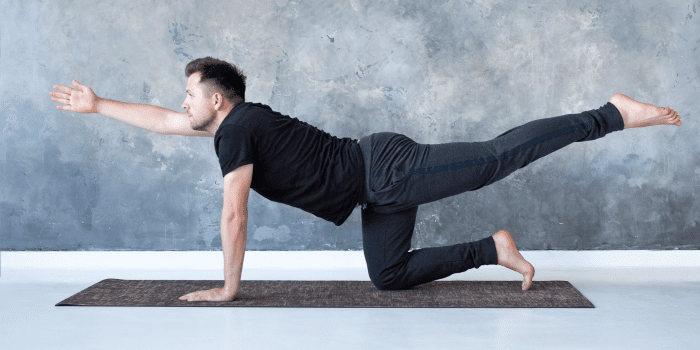
Effective Yoga Asanas to Enhance Flexibility
- Downward Dog (Adho et al.)
A classic yoga pose, Downward Dog stretches the hamstrings, calves, and shoulders while strengthening the arms and legs. It prepares the body for deeper stretches and enhances overall flexibility. Elongating the spine helps relieve back pain and improve posture. - Pigeon Pose (Eka Pada Rajakapotasana)
Pigeon Pose targets the hips, an area where many people hold tightness. It helps to release deep-seated tension and increases the range of motion in the hips, making it a must-do for flexibility. This pose also benefits the lower back and can alleviate sciatica pain. - Cobra Pose (Bhujangasana)
Cobra Pose opens up the chest, shoulders, and abdomen, improving spine flexibility. It also strengthens the lower back, making it a great counterpose to sitting for long periods. This pose stimulates abdominal organs and helps alleviate fatigue and stress. - Forward Fold (Uttanasana)
Forward Fold stretches the hamstrings and calves while gently lengthening the spine. It is perfect for those who want to release tension in the back and legs. This pose also helps calm the mind and relieve stress. - Triangle Pose (Trikonasana)
Triangle Pose helps stretch and strengthen the legs, hips, and spine while opening the chest and shoulders. It improves overall balance and flexibility in the body. This pose also enhances digestion and stimulates the abdominal organs.
Combining Asanas for a Holistic Flexibility Routine
Creating a Balanced Flexibility Routine: Your Guide to Targeting Different Muscle Groups
Warm-Up and Technique
Warming up is crucial for preparing your body for flexibility exercises. Movements like arm swings, leg lifts, and cat-cow stretches increase blood flow and prevent injuries. Proper technique and breath control during asanas are essential for maximizing benefits and minimizing risks. Hold each pose for 20-30 seconds, gradually increasing the duration as you progress. Pay attention to alignment and ensure that each pose is performed with mindfulness to avoid strain.
Avoiding Common Mistakes
Do not push yourself too hard or too quickly to avoid injuries. Flexibility improvements take time, and overextending can lead to injuries. Listening to your body and avoiding forcing yourself into uncomfortable poses is essential. Additionally, neglecting breath control can hinder progress. Deep, steady breaths can make stretches more effective and help you stay calm, even during challenging poses.
Tracking Your Progress
Monitoring your flexibility progress is a great way to stay motivated. Consider keeping a journal or taking progress photos to see how far you have come. Celebrate small victories—such as reaching further in a pose or holding a pose for longer. Tracking progress keeps you motivated and helps you recognize and appreciate your improvements.

Conclusion
Yoga is not just about stretching your muscles. It is about practicing cleanliness and self-control, expanding awareness, and nurturing your inner self. Whether seeking physical health, mental clarity, or spiritual growth, yoga asanas provide a holistic path to achieving your goals and enhancing your overall well-being. It is an effective tool, and when combined with breathwork, it can give your meditation practice a profound leap.
Yoga asanas offer a comprehensive approach to improving flexibility, integrating physical benefits with spiritual growth. By incorporating these practices into your routine, you will experience enhanced range of motion, reduced stress, and greater mental clarity. The connection between physical flexibility, mindfulness, and spiritual development underscores yoga’s transformative power for those on a spiritual journey. Embrace the practice with consistency and openness, and witness the profound effects on your body, mind, and spirit.