
Here’s a little transparency: Our website contains affiliate links. This means we may receive a small commission if you click and make a purchase. Don’t worry—there’s no extra cost to you. It’s a simple way you can support our mission to bring you quality content. Learn more at the Affiliate Disclosure page.
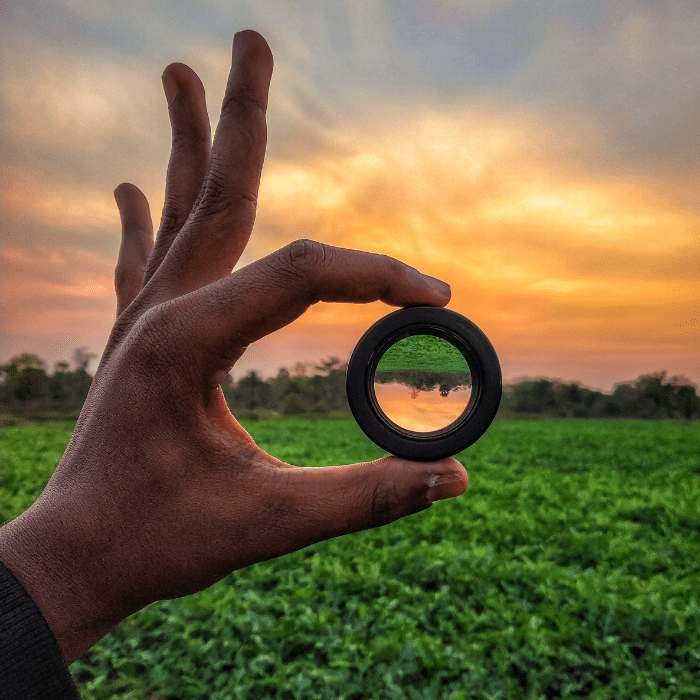
Personal beliefs are like the lenses through which we see the world. They shape our thoughts, actions, and reactions to different situations. But what exactly are personal beliefs? They’re our convictions and opinions about what is true, correct, and important. These can range from religious and moral beliefs to preferences and opinions on everyday matters.
It’s fascinating to see how personal beliefs are formed. Often, they’re a complex mix of influences from our family, friends, culture, and personal experiences. For instance, growing up in a particular community might instill specific values and norms. Likewise, a pivotal life event can sometimes lead to a shift or reevaluation of these beliefs.
Culture plays a massive role in shaping our beliefs. The customs, traditions, and values handed down through generations significantly imprint how we view the world. For example, individuals might prioritize group harmony over personal achievement in a culture that emphasizes collectivism. On the other hand, cultures that value individualism might foster beliefs centered on personal freedom and self-expression.
Family is another significant influence. From a young age, we’re often taught what our families believe to be right or wrong. These early teachings can stick with us and guide our decisions and actions throughout life. If you grew up in a household where education was highly valued, you’ll likely carry that belief into adulthood.
Of course, personal experiences are also crucial in shaping our beliefs. Direct experiences like traveling to a different country or overcoming a personal challenge can significantly impact our perspective. These experiences can reaffirm existing beliefs or sometimes lead to a new outlook on life.
Just look around, and you’ll see many personal beliefs in action. Some folks might be deeply religious, while others may identify strongly with particular political ideologies. Some might believe in the importance of environmental conservation, while others prioritize economic growth. These examples highlight how diverse and unique our beliefs can be.
Respecting Individual Journeys: A Fundamental Right
Every person is on a unique journey, shaped by their experiences, struggles, and dreams. These journeys are deeply personal, and respecting them is essential for fostering a world where everyone can grow and thrive.
When we talk about individual journeys, we refer to the personal paths people take in life. Many factors influence these paths, including upbringing, culture, personal choices, and life events. Acknowledging these diverse experiences helps us understand why certain beliefs and perspectives differ from our own.
Respecting different perspectives is not just about tolerance; it’s about genuinely valuing the diversity that others bring. When we impose our beliefs on others, we can inadvertently hinder their personal growth. This imposition can lead to resentment, confusion, and even self-doubt in those affected.
Imagine someone who has spent years working towards a personal dream, only to be constantly told by others that their goal is unrealistic or unimportant. This kind of negativity can be detrimental, making them question their worth and path. Instead, supportive and understanding interactions can uplift and encourage them to pursue their hopes and aspirations.
Real-world examples show how vital this respect can be. For example, communities that embrace various belief systems and encourage open dialogue often experience greater harmony and collaboration. Everyone feels valued and heard, creating a more cohesive and supportive environment.
In contrast, imposing beliefs can create divisions and conflicts. A workplace where one set of beliefs is forced upon everyone can become toxic, stifling creativity and cooperation. Conversely, workplaces that celebrate diverse viewpoints often see enhanced innovation and morale. Respect for individual journeys benefits not just individuals but entire communities and organizations.

Consequences of Imposing Beliefs
Imposing personal beliefs on others can have a ripple effect, touching many aspects of someone’s life. Emotional and psychological impacts are often the first to show. Feeling undervalued or misunderstood can lead to stress, anxiety, and even depression. When someone’s core beliefs are constantly challenged or dismissed, it’s hard for them to feel secure in their identity.
Relationships can also suffer when we push our beliefs onto others. Friends, family members, or colleagues may feel alienated or disrespected. This strain can weaken bonds that take years to build. Imagine always trying to assert your viewpoint in every discussion—it tends to erode trust and mutual respect over time.
Imposing beliefs can extend beyond personal relationships and affect societal cohesion. Communities that fail to accommodate different beliefs often face conflicts that can escalate. Society thrives on diversity and the range of ideas it brings. Small acts of imposing beliefs can accumulate, leading to larger societal rifts and divisions.
Real-world examples highlight these issues. For instance, political environments where one ideology is forcefully imposed often experience unrest and polarization. Similarly, religious communities that do not tolerate differing views can become hotbeds of tension and discord.
Understanding these consequences underscores the importance of allowing space for different beliefs. Doing so, we help build environments where everyone feels valued, respected, and free to be themselves.
Encouraging Empathy and Open Dialogue
Empathy is a powerful tool for understanding others’ viewpoints. By putting ourselves in someone else’s shoes, we can better appreciate their experiences and the beliefs shaped by those experiences. Empathy isn’t about agreeing with someone but acknowledging and respecting their perspective.
Creating open and respectful dialogues is crucial for fostering mutual understanding. Start by listening actively, giving the other person space to express their thoughts without interruption. Asking open-ended questions can help uncover profound insights and show that you’re genuinely interested in understanding their viewpoint. For example, instead of saying, ‘Why do you believe that?’, ask, ‘Can you tell me more about what led you to that belief?’
The benefits of having inclusive conversations are immense. They help break down barriers and build connections. When people feel heard and valued, they’re more likely to engage openly and honestly. Inclusive dialogue can lead to unexpected insights and solutions that might not surface in a more closed-off environment.
There are plenty of examples of successful dialogue leading to mutual respect. For instance, interfaith dialogues often bring people of different religious backgrounds together to discuss their beliefs openly. These conversations build bridges and reduce prejudices. Similarly, community forums encourage open discussions about local issues and help residents find common ground, leading to cohesive and supportive communities.
Implementing empathy and open dialogue in our daily lives may take effort, but it’s worth it. Practicing active listening, asking thoughtful questions, and approaching conversations with an open mind can transform our interactions and relationships. In an increasingly interconnected world, these skills are more valuable than ever.

Fostering an Environment of Mutual Respect
Building a culture of mutual respect begins with small yet impactful actions. Simple gestures like acknowledging and valuing different opinions can set the tone for more inclusive interactions. When people feel respected, they’re more likely to reciprocate that respect, creating a positive cycle.
Education plays a crucial role in promoting tolerance and acceptance. Schools and other educational settings can incorporate diversity, empathy, and respectful communication lessons. Teaching young minds to appreciate differences from an early age helps build a foundation for a more respectful and inclusive society in the future.
Community initiatives can also make a significant difference. Programs that celebrate cultural diversity, foster intergenerational dialogue, and encourage community involvement can strengthen bonds between people of different backgrounds. These initiatives provide platforms for individuals to share their stories and learn from one another, fostering a sense of belonging and mutual respect.
Practical steps in everyday life can also promote mutual respect. Acknowledging others’ perspectives in conversations, avoiding assumptions, and being open to learning from different experiences are all ways to practice respect. These habits become second nature with time and improve how we relate to others.
Environments that value and respect individual journeys benefit everyone. They create spaces where people can freely express themselves, contribute unique insights, and grow together. By fostering mutual respect, we contribute to a world that values diversity and thrives on it.