Here’s a little transparency: Our website contains affiliate links. This means we may receive a small commission if you click and make a purchase. Don’t worry—there’s no extra cost to you. It’s a simple way you can support our mission to bring you quality content. Learn more at the Affiliate Disclosure page.
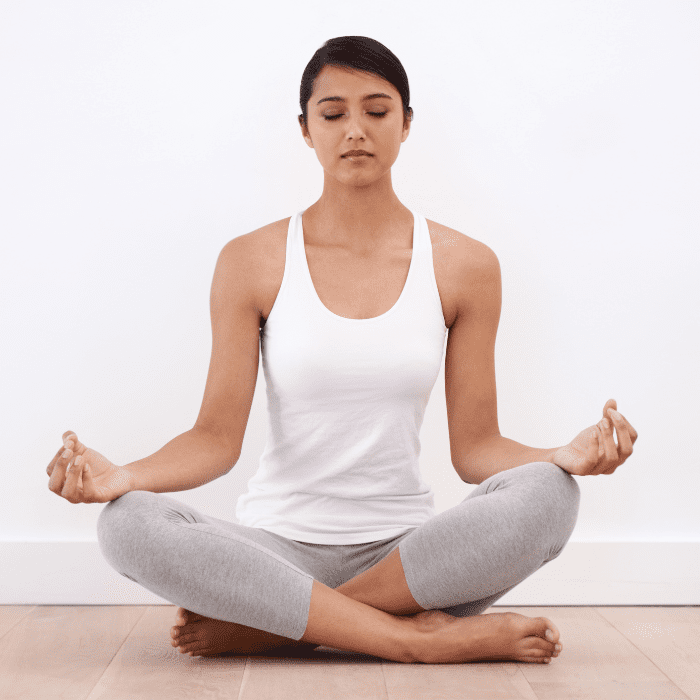
Exploring Meditation Techniques
When exploring the world of meditation, you may encounter a variety of confusing terms. Two such terms are “meditation techniques” and “meditation types.” While people often use them interchangeably, they refer to different aspects of meditation. Let’s clear up the confusion and explore the distinctions between them.
Meditation techniques refer to the specific methods or practices used to achieve a meditative state.
Here are a few standard techniques:
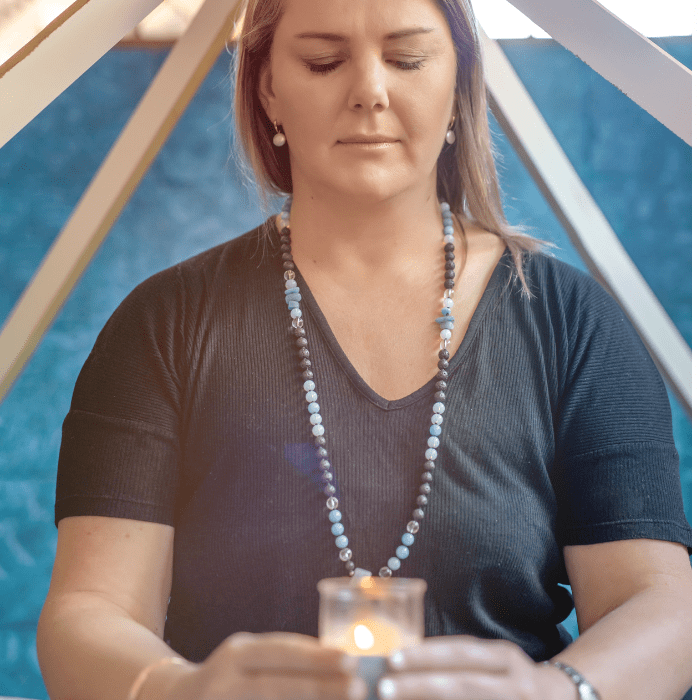
Focused Attention Meditation
Focused Attention meditation is a powerful technique that trains the mind to concentrate by directing attention to a single object. This object can be your breath, a candle flame, a sound, or a mantra. The beauty of this technique lies in its adaptability, as it can be easily incorporated into your daily routine. The goal is to focus on this object, gently bringing your mind back whenever it wanders. Over time, this practice strengthens mental clarity, improves focus, and helps reduce distractions in everyday life.
The meditator cultivates a sense of calm and control by continually redirecting attention to the chosen object, allowing for a deeper state of mindfulness. This technique is ideal for those looking to enhance their concentration, which can lead to improved productivity, reduce stress, positively impact mental and physical health, and sharpen their awareness of the present moment, which can enhance decision-making and problem-solving skills. Additionally, it serves as a foundation for other forms of meditation, making it a great starting point for beginners.
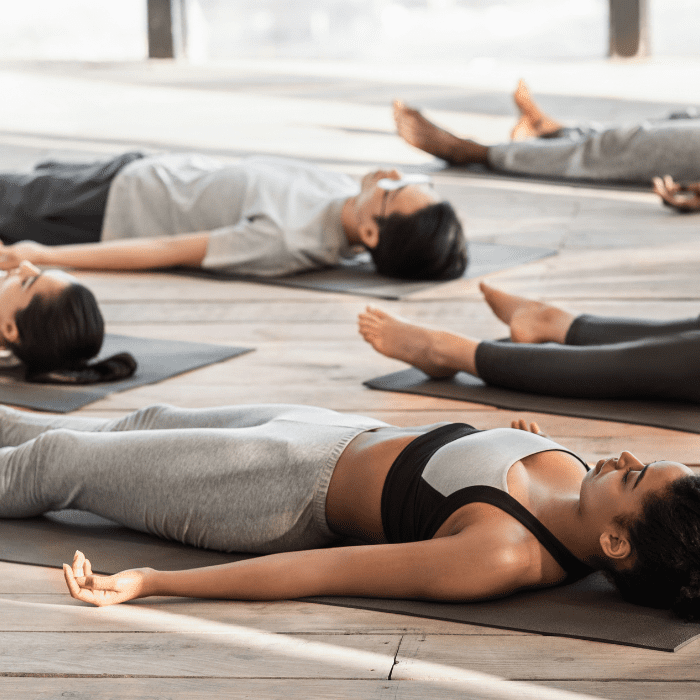
Body Scan Meditation
Body Scan meditation is a mindfulness technique that involves systematically focusing attention on different parts of the body. Starting from the toes and moving upward to the head (or vice versa), the meditator brings awareness to each body part, noticing any sensations, tension, or discomfort. The key is to observe these sensations without judgment or the need to change anything.
This practice helps develop a deeper connection with the body, promoting relaxation and stress relief. By tuning into physical sensations, Body Scan meditation encourages relaxation and releases tension stored in the muscles. It’s a great way to calm the mind and reconnect with the body, making it especially useful for reducing stress, improving sleep, and fostering a sense of physical and mental harmony.
Breath Awareness Meditation
Breath Awareness is a foundational meditation technique that focuses on observing the natural flow of the breath. By paying close attention to the inhale and exhale, the meditator anchors their mind in the present moment, gently bringing attention back to the breath whenever distractions arise.
This practice helps cultivate mindfulness, reduce stress, and promote a sense of calm by grounding the mind in the here and now. Breath Awareness can also enhance self-awareness and emotional regulation, making it a versatile and accessible technique for beginners and experienced meditators. It’s a simple yet powerful way to center yourself amidst daily distractions and foster a deeper connection to the present.
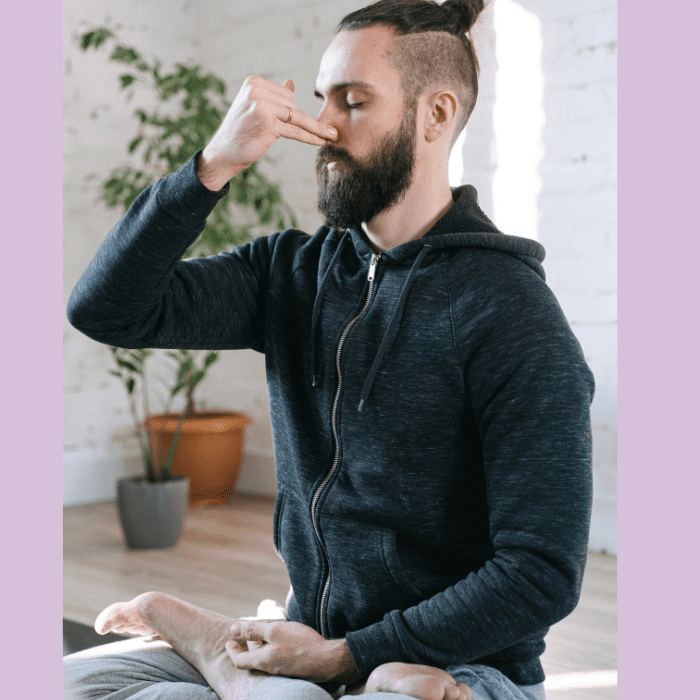
Guided Visualization Meditation
It is a meditation technique in which a teacher or recording leads you through mental images designed to promote relaxation, focus, or specific emotional states. Following guided imagery, the meditator engages their imagination to visualize calming scenes, positive outcomes, or healing scenarios.
This practice helps reduce stress, increase mental clarity, and foster emotional balance. Guided Visualization is particularly effective for individuals who struggle with silent meditation or need help focusing. Aligning the mind with positive, calming visuals can also help achieve specific goals, such as boosting confidence, overcoming fears, or promoting physical healing. This technique is ideal for structured guidance and an immersive, mentally engaging meditation experience.

Chanting or Mantra Meditation
Mantra repetition is a meditation technique involving a specific word, phrase, or sound, known as a mantra (a word without meaning), to help focus the mind and transcend ordinary thought. Standard in practices like Transcendental Meditation, this technique uses the power of silent inward sound vibrations to bring the mind into a deep, centered state.
The rhythmic repetition of a mantra helps quiet mental chatter, promotes relaxation, and induces heightened awareness. Over time, it allows the meditator to access deeper levels of consciousness and experience profound stillness. Chanting or mantra repetition is particularly effective for individuals seeking mental clarity, inner peace, or spiritual connection.
It can also help create a sense of balance, harmony, and emotional stability, making it a versatile practice for beginners and seasoned meditators.
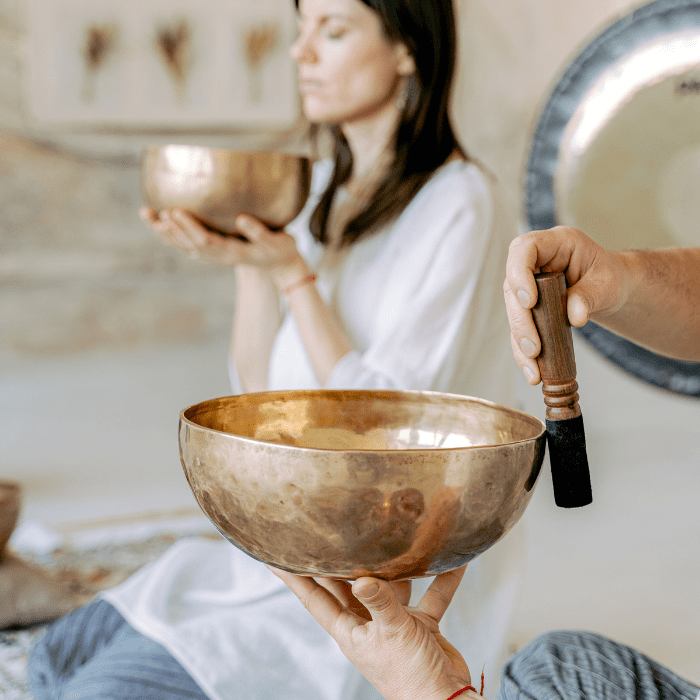
Understanding Meditation Types
On the other hand, types of meditation encompass broader categories or approaches to meditation practice. Each meditation comes with its philosophy, goals, and foundational practices. According to Dr. Tony Nader, Dr. PhD a neurosurgeon, Consciousness Researcher, and leader of the TM organization, There are three main types of meditation, and within these three are different shades or techniques of meditation. We will do a deeper dive into Transcendental Meditation in a different blog.
- Focused Attention (Concentration)
- Open Monitoring (Contemplation)
- Automatic Self-Transcending (Transcendental Meditation)
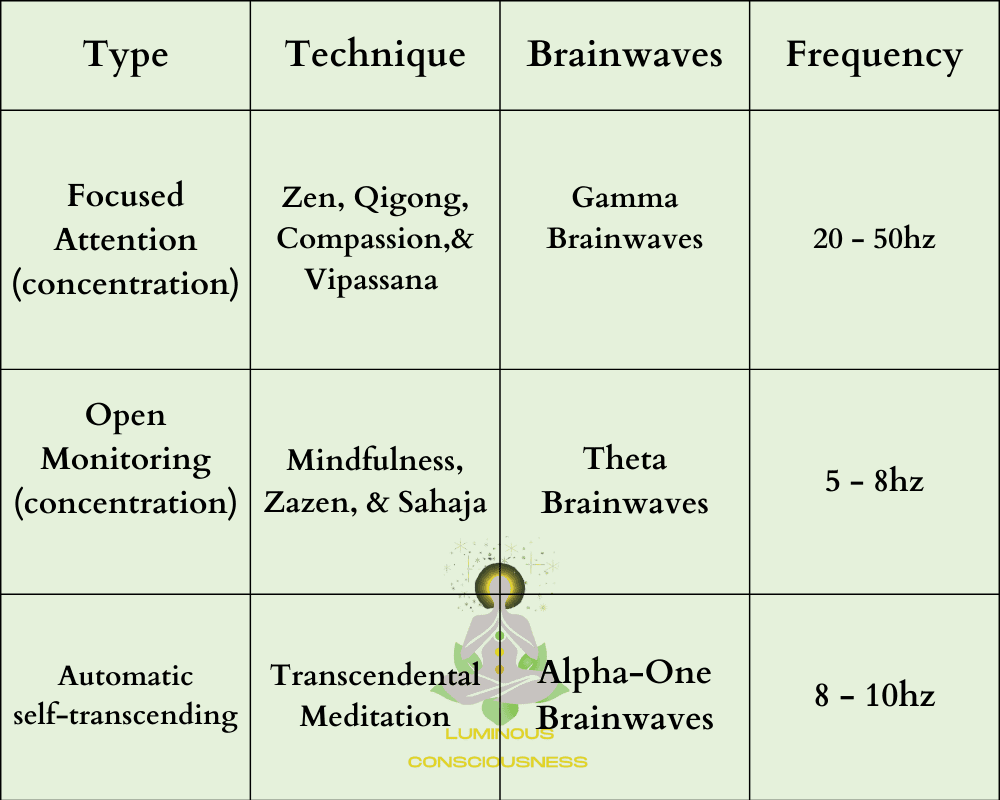
The EEG Brainwave Signatures of different meditation.
You can learn more about Brainwaves and Meditation, where we explore how different types of meditation affect our brainwaves. Here are some of the main types and how they’re practiced:
Mindfulness Meditation
Rooted in Buddhist tradition, mindfulness meditation focuses on being present and fully engaged with whatever you’re doing. It involves observing your thoughts and feelings without judgment.
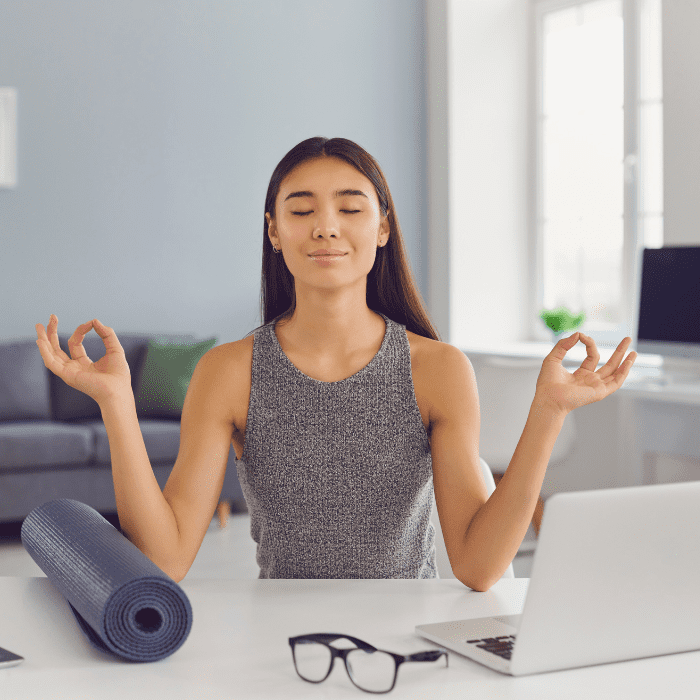
Transcendental Meditation
This type involves using a mantra—a specific word or phrase repeated silently—to help the practitioner transcend ordinary thought and reach a state of restful awareness. Learn more about Transcendental Meditation.
Loving-Kindness Meditation
Also known as Metta meditation, this practice aims to cultivate love and compassion towards oneself and others. Practitioners repeat phrases that express good wishes towards themselves and others.
Zen Meditation
Originating from Zen Buddhism, this type (Zazen) involves sitting in specific postures, focusing on the breath, or observing thoughts without attachment. It emphasizes strict discipline and simplicity.
Vipassana Meditation
Vipassana, also from the Buddhist tradition, means “insight” or “clear seeing.” It involves observing thoughts, emotions, and sensations to gain a clear understanding of the nature of reality.
Clearing Up the Confusion
While meditation types and techniques are closely related, they are not the same. Meditation provides the overarching framework or philosophy. At the same time, a technique is the method you use within that framework to practice.
Unfortunately, many websites and resources mistakenly use these terms interchangeably, which can lead to confusion. Understanding the difference helps you choose the right approach for your personal meditation journey.
Why This Matters
Knowing the difference between meditation types and techniques can significantly enhance your practice. It allows you to:
- Choose the Right Practice: Select a meditation type that aligns with your goals and interests.
- Apply the Right Techniques: Use specific techniques that support your chosen meditation type and deepen your practice.
- Improve Effectiveness: Tailor your meditation practice to your needs, making it more effective and enjoyable.
By understanding these distinctions, you can navigate the world of meditation with greater clarity and confidence. Whether you’re just starting or looking to deepen your practice, this knowledge will support your journey to mindfulness and inner peace.
Read A Beginner’s Guide to Meditation: Tips and Techniques to start your meditation journey.
Happy Meditating!
Take Something With You before You Leave
If you’ve made it this far, I want to express my gratitude for taking the time to read. As a token of appreciation for your interest, I offer you three complimentary gifts.
Whether you’re beginning your journey of self-discovery, aiming to broaden your consciousness, or seeking harmony between your busy life and a deeper connection, feel free to choose the gifts that resonate with you. After all, it’s on the house.


I’ve enjoyed the distinction between meditation techniques and meditation types, I’m the kind to confuse them myself! So I believe that this article will help people like me who don’t understand everything about meditation. I enjoy breath concentration personally because I find it really easy. I also like the mantra meditation! In that case, do you think that saying affirmations out loud is a type of meditation?
Hi Angelce903,
Thank you for sharing your thoughts on the distinctions between meditation techniques and types. It’s great that you found the article helpful, and your input will surely benefit others who may also find it confusing. Your interest in breath concentration and mantra meditation is lovely, and it’s fantastic that you have seen these techniques as easy and enjoyable.
Your question about saying affirmations out loud as a type of meditation brings up an exciting point. Many people consider affirmations and mantra recitation to be forms of meditation. Repeating affirmations or mantras with focused attention can have a calming and centering effect on the mind, similar to other meditation practices. This practice can help in developing greater self-awareness, positivity, and mindfulness.
Keep exploring different meditation techniques and types, and don’t hesitate to try out new practices to find what resonates most with you. Your curiosity and openness to learning are commendable, and I encourage you to continue exploring and nurturing your meditation journey.
I will share some topics—affirmations- on this platform soon. If you have any more questions or thoughts, feel free to share them. I wish you all the best in your meditation endeavors.
This article does an excellent job of demystifying the often-confusing terms “meditation techniques” and “meditation types.” As someone who has dabbled in various meditation practices, I found your breakdown incredibly insightful.
Understanding that meditation techniques are the specific methods used to achieve a meditative state, while meditation types encompass the broader categories or approaches, really helps clarify the landscape. Your examples of techniques like focused attention, body scan, and breath awareness are practical and easy to grasp. These are foundational practices that can truly enhance one’s ability to meditate effectively.
This article is a fantastic resource for both beginners and seasoned meditators. Keep up the great work!
Hey Kavitha,
How are you?
Thank you so much for the kind words about my article! I’m happy you found it helpful in demystifying some of the terminology around meditation. As a practitioner, I know firsthand how confusing some terms can be. My goal was to break things down into simple and practical concepts that are approachable for anyone exploring meditation.
I appreciate your sharing the breakdown of techniques vs. types, which helped clarify the different methods. Concrete examples like focused attention, body scan, and breath awareness resonate with people as valuable tools to understand and work with. And I’m happy to hear my categorized approach to the broader types of meditation also speaks to you as both a beginner and seasoned meditator.
Comments like yours let me know the article is providing value as a resource, which is ultimately my aim—to help others deepen their understanding and practice. Please feel free to reach out if you have any other questions about your meditation journey.