Here’s a little transparency: Our website contains affiliate links. This means we may receive a small commission if you click and make a purchase. Don’t worry—there’s no extra cost to you. It’s a simple way you can support our mission to bring you quality content. Learn more at the Affiliate Disclosure page.
Ancient Knowledge and Wisdom in Modern Times
Today, I will delve into a topic that may initially seem distant—the enduring relevance of ancient wisdom in our modern, fast-paced world. We’ll uncover how the philosophical inquiries and ethical quandaries we grapple with today are not so dissimilar from those that captivated the minds of Plato, Confucius, or Buddha centuries ago.
Don’t be daunted by the temporal gap; find something from the rich tapestry of ancient thought that resonates with you. We might discover how Socratic questioning can shape our approach to critical thinking and debate in this era of information overload. Or consider how the Stoic practice of focusing on what’s within our control can bolster our mental health and resilience in the face of life’s uncertainties.
This isn’t just about philosophical contemplation; it’s about the actionable insights we can draw from introspective traditions. For instance, the timeless principle of self-awareness is as pertinent today as it was in ancient times, guiding our personal and professional growth. Reflecting on this, we can uncover ways to foster a deeper self-awareness and authenticity in all our endeavors.
Ancient wisdom isn’t a relic to be revered from afar; it’s a wellspring of insight desperately needed in our contemporary existence. The critical thinking, the virtues, and the ethical frameworks established by our ancestors provide a solid foundation for navigating today’s complex world.
As we transition into the next section, you’ll see practical applications of these teachings in various realms of modern life. Think of how Marcus Aurelius’s Meditations might guide someone in making business decisions or how the balance and simplicity encouraged by Taoism can counterbalance the excesses of consumer culture.
Health and Well-being
Traditional Medicine and Herbal Remedies
Ancient healing traditions such as Ayurveda, Traditional Chinese Medicine (TCM), and Indigenous healing practices have withstood the test of time, often validated by modern scientific research. Ayurveda, originating in India over 5,000 years ago, emphasizes balance among body, mind, and spirit through diet, herbal treatment, and yoga. Modern studies have corroborated the efficacy of various Ayurvedic herbs, such as Ashwagandha and Turmeric, in reducing stress and inflammation. Similarly, TCM’s use of acupuncture and herbal medicine has gained recognition for its effectiveness in pain management and chronic illnesses, supported by numerous clinical trials.
Herbal and traditional African medicine is deeply rooted in the continent’s history and culture. It encompasses a broad spectrum of practices, including using plants such as African ginger, neem, and hoodia, which are believed to have medicinal properties. Traditional healers are significant in administering these remedies, using their knowledge and spiritual guidance to treat various ailments. This approach to medicine reflects a holistic understanding of health and wellness that has been passed down through generations in African societies.
In the ancient days of the Amazon jungle, the indigenous people practiced shamanic medicine, drawing upon centuries-old traditions and natural remedies. Shamans, spiritual leaders who can communicate with the spirit world, play a central role in treating ailments of the body and mind. They utilized various plants with healing properties, often obtained through visionary experiences in ceremonial settings. Plant-based medicines, such as ayahuasca and san pedro medicinal herbs, were deeply intertwined with spiritual rituals and the belief in the interconnectedness of all living beings. This holistic approach to healing, addressing physical symptoms and spiritual and emotional well-being, reflected the profound wisdom of the ancient Amazonian cultures.

Mind-Body Practices
Deeply rooted in ancient traditions, Yoga and Tai Chi have transcended cultural boundaries to become global phenomena. These practices, combining physical postures, breathing techniques, and meditation, have been extensively studied for their benefits in reducing stress, enhancing mental health, and improving physical fitness. Research has shown that regular yoga practice can reduce symptoms of anxiety and depression, while Tai Chi is effective in enhancing balance and reducing fall risk in older people. The scientific community increasingly recognizes the therapeutic potential of these practices, integrating them into contemporary health programs.
Shamans are known for their mind-body practices deeply intertwined with spiritual rituals and healing ceremonies. These practices often involve entering altered states of consciousness to connect with the spirit world and gain insights into the causes of imbalance and suffering. Through techniques such as chanting, drumming, and meditation, shamans seek to restore balance and harmony between the physical, mental, and spiritual aspects of an individual’s being. The holistic approach of shamanic mind-body practices aims to address not only the symptoms of imbalance but also the underlying spiritual and emotional disharmonies.
In African traditional culture, mind-body practices are also central to healing and wellness. Traditional healers often use ritual dances, storytelling, and ceremonies to restore balance and harmony within the individual and the community. These practices address the interconnectedness of mind, body, and spirit, recognizing that imbalances in one aspect can lead to disharmony in others. Through these mind-body practices, African traditional culture promotes holistic well-being, emphasizing the importance of spiritual and emotional health alongside physical wellness.
Diet and Nutrition
Ancient dietary guidelines, such as the Mediterranean diet, have been validated by modern nutritional science. The Mediterranean diet, rich in fruits, vegetables, whole grains, and healthy fats, is associated with reduced risks of cardiovascular diseases and improved longevity.
Historical cultural dietary practices also emphasize consuming whole foods, organic foods, seasonal produce, and minimally processed foods. These principles align closely with current recommendations for a balanced diet, highlighting the enduring wisdom in traditional eating patterns.

Philosophy and Spirituality
Philosophical Foundations
The philosophical insights of ancient thinkers continue to shape contemporary thought. Socrates’s method of questioning, the Socratic method, encourages critical thinking and dialogue, laying the groundwork for modern educational and psychological practices. This method, which involves asking probing questions to stimulate critical thinking and illuminate ideas, remains essential in today’s information age. The ideas of Plato and Aristotle, exploring forms, ethics, and metaphysics, continue to challenge and inspire modern philosophers and scientists.
With his emphasis on social harmony, ethics, and personal development, Confucius offers valuable lessons for addressing modern social and ethical dilemmas. His teachings on filial piety, righteousness, and moral integrity have influenced many Eastern philosophies and remain relevant in discussions on social justice and ethics today.
Buddhism, focusing on mindfulness, compassion, and the nature of suffering, has inspired modern mindfulness-based stress reduction (MBSR) programs. These programs are widely used in clinical settings to treat anxiety, depression, and chronic pain. The Buddha’s teachings on the Four Noble Truths and the Eightfold Path provide a practical framework for personal development and mental well-being.
In Africa, the Dogon people of Mali are known for their deep understanding and knowledge of astronomy. Their complex cosmological system and traditional astronomical knowledge, particularly their understanding of the Sirius star system, including the existence of Sirius B, a white dwarf star, which Western astronomers did not officially discover until the 20th century, is a fascinating part of the Dogon’s cultural heritage. This deep astronomical knowledge is unique and preserved through the Dogon people’s rich oral tradition, underscoring the importance of their cultural heritage.
Spiritual Practices
Meditation, prayer, and rituals, integral to many ancient traditions, remain vital to contemporary spiritual and mental well-being. Practices like Vipassana meditation, originating from ancient Buddhist traditions, have gained recognition for their effectiveness in promoting mental clarity and emotional stability. Similarly, prayer in various religious traditions offers comfort, hope, and a sense of connection, supporting mental health and resilience in times of crisis.
Environmental Stewardship
Sustainable Living Practices
Indigenous knowledge systems offer profound insights into sustainable living. Traditional land management practices, such as those of Aboriginal Australians and Native Americans, demonstrate sustainable resource use and biodiversity conservation. Techniques like controlled burns and agroforestry, employed by these communities for millennia, enhance soil fertility, prevent wildfires, and maintain ecological balance. Modern environmental movements increasingly draw inspiration from these practices, advocating for sustainable and regenerative approaches to land management.
Holistic Worldviews
Many ancient cultures viewed humans as an integral part of nature, fostering a deep sense of interconnectedness and respect for the environment. Their holistic worldview contrasts sharply with the modern tendency to exploit natural resources. This perspective is central to contemporary environmental ethics and movements such as deep ecology and ecofeminism, which advocate for a harmonious relationship with the earth and promote conservation and sustainability.
Governance and Society
Ancient Governance Models
The governance systems of ancient civilizations offer valuable lessons for modern political thought. The Athenian democracy, one of the earliest known democracies, emphasized direct citizen participation in decision-making, a concept that continues to inspire contemporary democratic practices. The Iroquois Confederacy’s model of governance, based on principles of peace, unity, and collective decision-making, influenced the development of the United States Constitution. These ancient models highlight the importance of inclusivity, justice, and shared governance in building resilient and equitable societies.
Social Ethics and Community
Ancient societies often prioritized community well-being and social justice, which is crucial in addressing today’s social inequalities. Philosophical traditions, such as those of Aristotle, which emphasized the importance of virtue and the common good, and Confucianism, which underscores the importance of benevolence and social harmony, provide a foundation for contemporary discussions on ethics, justice, and community development. These principles inspire movements advocating social justice, equity, and human rights.
Education and Knowledge Transmission
Oral Traditions and Storytelling
Oral traditions and storytelling have been fundamental in preserving knowledge and culture across generations. Ancient societies used myths, legends, and oral histories to transmit wisdom, ethical teachings, and historical knowledge. This practice remains relevant in contemporary education and communication, emphasizing the power of storytelling to engage, educate, and inspire. Modern educators and leaders increasingly incorporate storytelling techniques to enhance learning, foster empathy, and build community.
Ancient Libraries and Universities
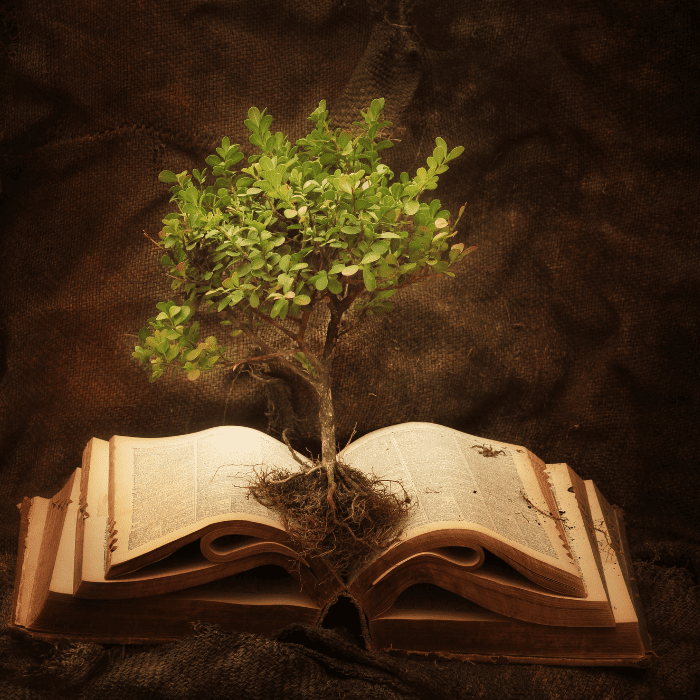
In ancient times, institutions like the Library of Alexandria and Nalanda University were centers of knowledge and learning. These institutions preserved and advanced expertise in various fields and promoted intellectual exchange across cultures. Today, they serve as a reminder of the importance of maintaining intellectual heritage and fostering global collaboration in education and research. The legacy of these ancient institutions continues to influence modern universities and research institutions, emphasizing the value of interdisciplinary learning and international cooperation.
The Vatican Library is considered one of the world’s oldest and most significant libraries, rather than an ancient one. It was formally established in 1475 and holds a vast collection of historic texts and documents, making it a significant center for scholarly research and the preservation of cultural heritage.
Science and Technology
Ancient Innovations
Ancient civilizations achieved remarkable technological and engineering feats that inspired modern innovation. The construction of the pyramids in Egypt, the aqueducts of Rome, and the advanced astronomical observatories of ancient Greece and India exemplify early human ingenuity. These achievements demonstrate the advanced understanding of mathematics, engineering, and astronomy possessed by ancient cultures. Modern technologies, such as biomimicry and sustainable architecture, draw inspiration from these ancient innovations, seeking to replicate their efficiency and sustainability.
Modern Technological Parallels
The study of ancient technologies and inventions reveals striking parallels with modern scientific advancements. For instance, the ancient Greek Antikythera mechanism considered the world’s first analog computer, demonstrates advanced knowledge of astronomy and mechanics. Similarly, ancient Indian texts describe sophisticated concepts in mathematics and medicine that predate modern discoveries. These examples highlight the enduring legacy of ancient technologies and their relevance to contemporary scientific and technological research.
Psychology and Self-Development
Ancient Psychological Insights
Ancient philosophies and practices offer profound insights into human behavior and mental processes. The Socratic method, emphasizing questioning and dialogue, laid the groundwork for modern educational and psychological practices. This method, which involves asking probing questions to stimulate critical thinking and illuminate ideas, remains essential in today’s information age. Buddhist psychology, focusing on the nature of the mind and the path to enlightenment, has influenced contemporary mindfulness practices and therapies, such as MBSR and Dialectical Behavior Therapy (DBT). These ancient psychological insights continue to enrich modern understandings of mental health and well-being.
Personal Development Practices
Philosophies of self-improvement and personal development, such as Aristotle’s concept of virtue ethics and Confucian self-cultivation, provide timeless guidance for personal growth. These traditions emphasize the development of character, wisdom, and moral integrity, offering valuable lessons for contemporary self-help and personal development movements. Modern practices like positive psychology and life coaching often draw on these ancient teachings, promoting a holistic approach to personal growth and fulfillment.
Conclusion
The wisdom of ancient civilizations offers a treasure trove of knowledge and insights that remain profoundly relevant in addressing today’s global challenges. From health and well-being to governance, environmental stewardship, and personal development, ancient wisdom provides a rich reservoir of practices and philosophies that continue to inspire and guide us. We can cultivate a more sustainable, just, and harmonious world by integrating these timeless principles with modern knowledge. Let us embrace the wisdom of the past, learning from its insights to create a better future for all.
Exploring the relevance of ancient wisdom is essential as it helps us learn from the past to enrich our present and future. By doing so, we acknowledge and honor the accomplishments of our ancestors and pave the way for a more enlightened and sustainable world.
My Take
I’ve always found ancient knowledge and wisdom to be incredibly fascinating. When we look back at humanity’s evolution, it’s awe-inspiring to consider how our ancestors survived with less technology, medicine, and knowledge, according to some history books about our evolution. On the flip side of the coin, it’s intriguing to think about advanced ancient structures like the pyramids and the vast knowledge of Vedic science, medicine, spiritual practices, and astronomy they possessed.
I often wonder if we are stuck in a cycle of civilizations rising and falling or if ancient manuscripts and artifacts hold truths we have yet to understand fully. Religion, particularly Christianity, also presents a wealth of knowledge that deserves revisiting to gain new perspectives and insights into history that conflict with other ancient texts, hieroglyphs, cuneiform, Akkadian, and Sumerian texts.
Let me know what you think about this exciting topic.
You can also check other related blogs below:
Ancient Wisdom
Unlocking the Quantum Field
The Science of Conscious Thought
The Science Behind The Law of Attraction
Transcendental Meditation
Consciousness
The Power of Meditation in Spiritual Growth
How to Connect with Your Higher Self
Signs of a Spiritual Awakening
The Power of Self-Awareness
The Energy Chakras Of The Human Body
References: For an extensive list of references, please visit our Peer Reviewed Research Papers to learn more. Check under the Ancient Knowledge Resources section.
Your exploration of ancient wisdom in the modern world is both profound and timely. It’s fascinating how concepts from Socratic questioning to Stoic resilience have endured through the ages, offering us valuable tools for navigating today’s complexities. The way you connect ancient health practices with contemporary scientific validation is particularly compelling.
Overall, your article is a wonderful reminder of the rich tapestry of ancient wisdom and its relevance today. It invites us to look beyond the temporal gap and find meaningful connections that can enrich our lives and society.
Kavitha,
Thank you for your kind words about my article and frequent engagement on my blog. I’m glad you found my exploration of ancient wisdom meaningful and that you appreciate how concepts from ancient philosophies remain relevant today.
You make an excellent point about how practices like Socratic questioning and Stoic ideals have endured over time and still have much to offer modern life. I’m also pleased you found the connections I drew between ancient health practices and modern science compelling.
My goal was to showcase the timeless value of ancient wisdom passed down through the generations. Your thoughtful feedback lets me know I achieved that aim for you.
I greatly appreciate you sharing how the article enriched your thinking – comments like yours keep me motivated to continue bridging the gap between antiquity and the present through my writing.