
Here’s a little transparency: Our website contains affiliate links. This means we may receive a small commission if you click and make a purchase. Don’t worry—there’s no extra cost to you. It’s a simple way you can support our mission to bring you quality content. Learn more at the Affiliate Disclosure page.
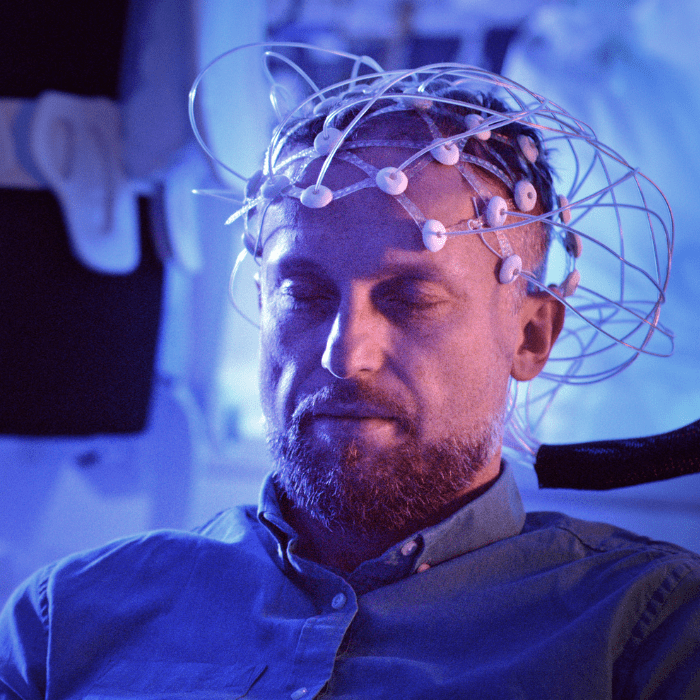
In neuroscience and psychology, brain entrainment is a fascinating phenomenon that has captivated researchers and enthusiasts alike. But what exactly is brain entrainment, and why is it gaining so much attention? This blog will explore the science behind brain entrainment, its mechanisms, benefits, and the research that underscores its efficacy.
What is Brain Entrainment?
Brain entrainment, or neural entrainment, is the process by which the brain’s electrical activity synchronizes with an external rhythm. This external rhythm can be auditory, visual, or tactile stimuli, such as music, flashing lights, or vibration. The concept is based on the brain’s ability to naturally align its neural oscillations with the frequency of external stimuli, a phenomenon known as the “frequency following response” (FFR).
The Mechanisms of Brain Entrainment
Brainwaves are electrical impulses in the brain, and they are typically categorized into different frequency bands:
Delta (0.5-4 Hz)
Delta brainwaves are associated with deep, dreamless sleep and unconscious bodily functions such as regulation of heart rate and digestion. These brainwaves are predominant during the deepest stages of sleep and are crucial for restorative sleep and overall physical rejuvenation. Delta brainwaves are also linked to deep healing, regeneration, and the body’s natural repair processes.
Theta (4-8 Hz)
These brainwaves are associated with deep relaxation, meditation, and light sleep. These brainwaves are prevalent during the early stages of sleep and states of deep meditation. Theta waves are also linked to creativity, intuition, and visualization. When you experience a relaxed and slightly drowsy state, your brain is likely producing theta brainwaves.
Alpha (8-12 Hz)
Alpha brainwaves are associated with a relaxed but alert state of mind. These brainwaves are commonly present when a person is in a state of wakeful relaxation, such as during transcendental meditation, light exercise, or when engrossed in a creative activity. Alpha brainwaves are also linked to reduced stress, improved focus, and a sense of calmness.
Beta (12-30 Hz)
Beta brainwaves are associated with active, alert, and focused mental states. These brainwaves are predominant during ordinary waking consciousness, problem-solving, decision-making, and activities requiring high cognitive control and concentration levels. Beta brainwaves are also linked to heightened mental activity, critical thinking, and active engagement with the environment.
Gamma (30-100 Hz)
These brainwaves are associated with higher mental activities such as problem-solving, consciousness, and perception. They are often present when a person actively engages in cognitive tasks, focused attention, and memory recall.
Each frequency band is associated with different states of consciousness and cognitive functions. When an external stimulus matches the frequency of a particular brainwave, the brain’s neural oscillations begin to synchronize with that frequency. This synchronization can enhance various cognitive and physiological states, such as relaxation, focus, and creativity.
The Research Behind Brain Entrainment
Numerous studies have explored the effects of brain entrainment, providing compelling evidence of its benefits. Here are some key findings from peer-reviewed research:
Enhancing Cognitive Function
A study published in Nature Reviews Neuroscience (2009) explored how rhythmic auditory stimuli could enhance cognitive processes. The researchers found that auditory brain stimulation could improve attention and working memory, demonstrating the potential of brain entrainment in cognitive enhancement. The study highlighted the role of the FFR in aligning brainwaves with auditory rhythms, thereby enhancing mental functions.

Improving Sleep Quality
Research published in The Journal of Alternative and Complementary Medicine (2011) investigated the effects of binaural beats—a form of auditory brain entrainment—on sleep quality. The study concluded that binaural beats significantly improved sleep quality and reduced insomnia symptoms. The researchers suggested that binaural beats could influence brainwave patterns, promoting more profound and restorative sleep.
Reducing Anxiety and Stress
A study in Frontiers in Human Neuroscience (2014) examined the impact of brainwave entrainment on anxiety levels. The researchers used auditory stimuli to induce theta brainwaves associated with relaxation and meditation. The findings revealed a significant reduction in anxiety levels, supporting the use of brain entrainment as a tool for stress management.
Enhancing Learning and Memory
A study published in Neuropsychologia (2015) explored the effects of brainwave entrainment on learning and memory consolidation. The researchers found that specific brain entrainment frequencies could enhance memory retention and learning efficiency. This study underscores the potential of brain entrainment in educational settings to boost learning outcomes.
Practical Applications of Brain Entrainment
The research findings on brain entrainment have paved the way for various practical applications in health, education, and well-being:
Neurofeedback and Therapy
Brain entrainment techniques, such as neurofeedback, are increasingly used in therapeutic settings. Neurofeedback involves training individuals to regulate their brainwave activity, promoting relaxation, focus, or calmness. This approach has shown promise in treating conditions like ADHD, depression, and PTSD.
Enhanced Meditation and Mindfulness
Brain entrainment is widely used in meditation and mindfulness practices. Tools like binaural beats, isochronic tones, and light therapy facilitate more profound states of meditation and enhance mindfulness. Research indicates these techniques can improve emotional regulation, reduce stress, and enhance well-being.
Cognitive Enhancement
Brain entrainment devices and apps are becoming popular for cognitive enhancement. These tools use rhythmic auditory or visual stimuli to boost cognitive functions such as memory, attention, and creativity. Studies have shown that regular use of brain entrainment can improve cognitive performance and mental clarity.
The Future of Brain Entrainment
Brain entrainment is rapidly evolving, with ongoing research exploring its full potential. Future studies will likely delve deeper into the mechanisms of neural synchronization and its applications in various domains. Emerging technologies, such as wearable brain stimulation devices and advanced neuroimaging techniques, will enhance our understanding of brain entrainment and its therapeutic applications.
My Take
Brain entrainment is a remarkable phenomenon that bridges the gap between neuroscience and practical applications in health and well-being. The research highlights its potential to enhance cognitive function, improve sleep quality, reduce anxiety, and support mental health. As our understanding of brain entrainment deepens, we can look forward to innovative approaches that harness its power to enhance human performance and well-being.
By embracing the science behind brain entrainment, we can unlock new possibilities for personal growth, healing, and cognitive enhancement. Whether through meditation, therapy, or mental training, brain entrainment offers a pathway to a more balanced, focused, and harmonious mind.
—————————————————————————————————————————————————-
References:
- Nature Reviews Neuroscience, 2009. “Rhythmic auditory stimulation and cognitive enhancement: A systematic review.”
- The Journal of Alternative and Complementary Medicine, 2011. “Effects of binaural beats on sleep quality: A systematic review.”
- Frontiers in Human Neuroscience, 2014. “Theta brainwave entrainment and its impact on anxiety levels: A randomized controlled trial.”
- Neuropsychologia, 2015. “Brainwave entrainment and memory consolidation: Effects on learning and memory.”
Hello Eric,
What a fresh look into our we think and what are thinking does to our life. All the different articles are truly an inspiration to me as I tend to be a little negative these days. I have two businesses that got hit very hard by this economy and the Pandemic and I find myself have to catch my mind from going into a negative space.
Thank you for this most inspirational website!
Mike Powers
Cabin Living Today
Hello Mike,
Thank you for your heartfelt comment. I’m genuinely sorry to hear about your business’s difficulties due to the economy and the pandemic. Understandably, these challenges could make it tough to maintain a positive outlook.
I’m glad you found the articles inspiring. The exploration of how our thoughts impact our lives is indeed profound, and it’s lovely to hear that you’re seeing some encouragement here.
Remember, it’s natural to experience negative thoughts, especially under stressful circumstances. It is a powerful practice to be mindful of these thoughts and consciously steer them towards a more positive space. Techniques like mindfulness meditation, gratitude exercises, and positive affirmations can be beneficial in shifting your mindset.
If you need more support or inspiration, feel free to explore the resources on the website or reach out directly. Your journey is important, and I’m here to support you every step of the way.
Thank you for your kind words and for joining this community. I wish you strength and positivity as you navigate these challenging times.
Warm regards,
Eric.
This is fascinating stuff. During my years of studying psychology and neuroscience, I did not delve into brain entrainment to this extent. Although familiar with the different frequency bands of the brain waves, you have clarified many areas for me. The research behind brain entrainment certainly provides evidence of its many benefits. I have experienced some of the practical applications when I meditate. The future of brain entrainment looks very bright.
Wow, Joseph, thank you so much for sharing your thoughts with me! It means a lot to hear from someone with a background in psychology and neuroscience who found the information on brain entrainment fascinating.
I’m thrilled that I could clarify some areas for you, and it’s fantastic to hear about your personal experiences with the practical applications of brain entrainment during meditation.
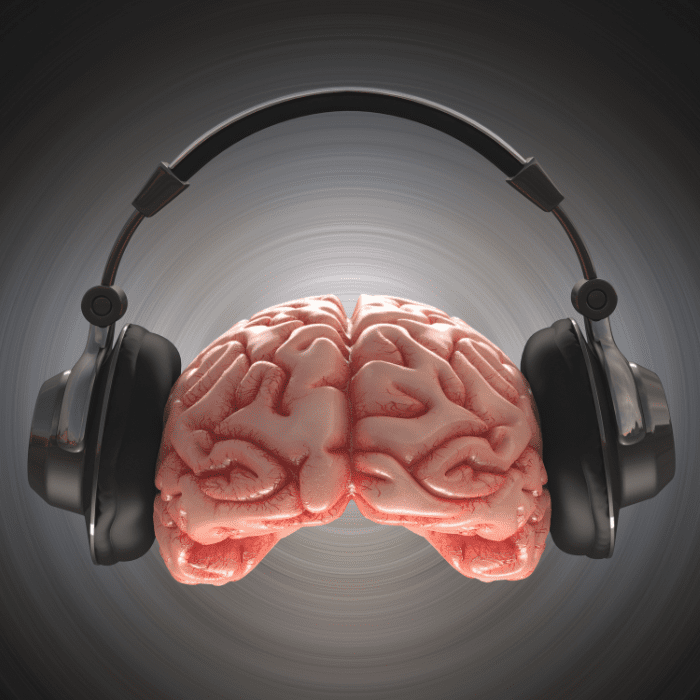
I wear headphones during meditation. They help me calm down more quickly and effectively rewire my brain. Sound is a powerful tool we can all leverage to enhance our health and well-being.
Your positive outlook on brain entrainment’s future is encouraging, and I’m grateful for your valuable insights!
Thanks,
Eric.