
Here’s a little transparency: Our website contains affiliate links. This means we may receive a small commission if you click and make a purchase. Don’t worry—there’s no extra cost to you. It’s a simple way you can support our mission to bring you quality content. Learn more at the Affiliate Disclosure page.
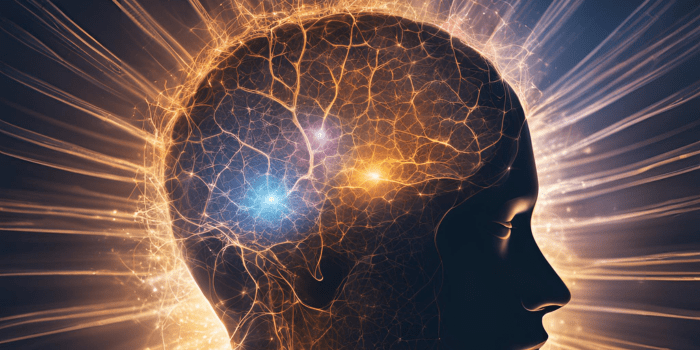
Today, I will be talking about something truly intriguing – consciousness. It’s the intimate sensation of being alive, aware, familiar, and profoundly mysterious. Consciousness is the lens through which we experience our world, thoughts, and emotions. It’s central to our existence, yet it eludes a simple explanation.
Now, what is consciousness? Beyond simply being awake, it encompasses awareness, perceptions, thoughts, and intentions. It’s not just about recognizing the world around you but also being able to reflect upon it. Consciousness and awareness are often used interchangeably, but there’s a subtle difference. Awareness is about noticing things – like hearing a dog bark. Consciousness is the next level, where you’re aware of the sound and reflect on its impact, like wondering why the dog might be barking.
The pursuit of understanding consciousness isn’t new. Throughout history, philosophers, theologians, and scientists have pondered what it means to ‘be.’ Each culture and era has brought its own interpretations and theories about the nature of consciousness and how it relates to our physical forms and the universe at large. This is a space where questions about the soul, the self, and the essence of being intermingle with empirical research.
Understanding consciousness is not just a pursuit of knowledge; it’s also about exploring our identity. How does this complex tapestry of sensations, thoughts, and feelings translate into the person you recognize as ‘you’? This isn’t just about theoretical musings; it directly impacts how we interact with the world and the ethical considerations stemming from our comprehension of the self and others.
As we delve into the science behind consciousness, we’ll discover the connections forged between the mind and body. This relationship is as much philosophical as it is physiological. The next section will examine the mind-body puzzle and how scientists and philosophers attempt to bridge these seemingly disparate worlds.
The Mind-Body Puzzle: Bridging Two Worlds
I will take you through an age-old conundrum that’s baffled the greatest minds: the mind-body problem. At its core, it’s about understanding how intangible thoughts and emotions arise from the physical brain. Philosophers have mused over it for centuries, and today, scientists are joining the fray with cutting-edge research.
Let’s zoom in on the neurobiological angle. Your brain, an intricate network of neurons, somehow orchestrates the symphony of consciousness. I’ll walk you through the key structures, like the cerebral cortex, and chemicals, like neurotransmitters, that shape our conscious experience. Spoiler alert: it’s extraordinarily complex yet fascinating.
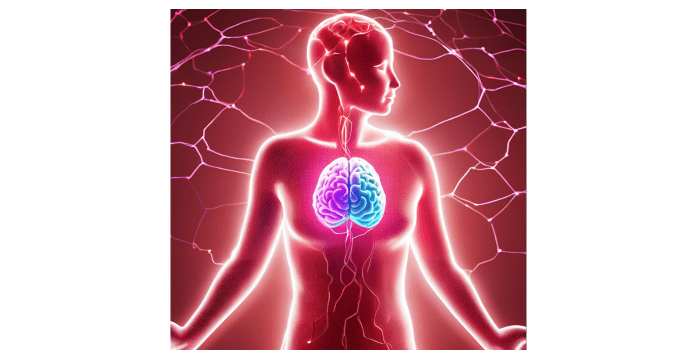
Psychophysical insights have shown us that there’s a two-way street between mind and body. Your mental state can impact your physical health and vice versa. Stress, happiness, anxiety—they all leave their mark on your body. I’ll help you understand how consciousness can literally make you healthier or sicker. Cognitive science, studying thought, experience, and the mind, offers fresh perspectives. It blends psychology, neuroscience, and philosophy to unravel the fabric of consciousness. And guess what? It’s revealing that consciousness isn’t just an on-off state but a spectrum that can offer insights into disorders like autism and mental health challenges.
The Latest Research in Consciousness Science
I will discuss some of the most exciting advancements in consciousness research. This vibrant area sees new discoveries add to our understanding almost every day. You’ll learn about the pioneering tools and methods being developed to peek into the brain’s complex workings. Technologies like fMRI and EEG give us mesmerizing images and data patterns correlating with conscious states.
Two big ideas—Integrated Information Theory (IIT) and Global Workspace Theory (GWT)—are at the heart of theoretical advancements. IIT suggests consciousness arises from interconnected information, while GWT posits that consciousness is a product of different brain networks sharing access to information.

Researchers aren’t just thinking about conscious states during our daily routines; they’re delving into altered states like meditation, sleep, and even the effects of psychedelics, providing a fuller picture of what consciousness entails.
Now, what about AI? The dream of creating conscious machines is definitely picking up steam. Imagine machines that not only process information but also experience it. Yeah, that kind of sci-fi stuff is slowly turning into a scientific pursuit.
Don’t worry too much if this feels like a lot to digest. Every research paper, experiment, and new theory contributes to a more excellent grasp of how our minds work, setting the stage for more personalized and impactful applications.
You can also checkout Dr. Tony Nader’s Theory on Consciousness: Bridging Ancient Wisdom and Modern Science, which also gives a different perspectives with some similarities with mainstream ideas.
Mindful Integration: Fostering The Mind-Body Connection
Now that we’ve dipped our toes into some of the most revolutionary research in the field of consciousness, I will share ways we can apply this understanding practically. You’ll learn how activities like mindfulness and meditation do not just relax us but actually enhance the quality of our consciousness.
The influence of lifestyle choices on our mental acuity and overall well-being can’t be understated. I’m here to help you understand how diet, exercise, and stress management contribute to a healthier mind-body dialogue.

Beyond the personal health spectrum, there’s a lot of opportunity to use these insights to combat neurological diseases, improve mental health, and perhaps even enhance cognitive abilities among the general population.
As you incorporate these practices into your life, remember that your first attempt doesn’t need to be perfect. Choose something that resonates with you, whether starting a new workout routine, meditating for a few minutes daily, or being more conscious about your eating habits.
We stand on the brink of a new frontier in science and well-being. As research continues to unravel the intricacies of the human mind, we’re presented with the profound possibility to harness our consciousness in ways we’ve yet to grasp fully. It’s an exhilarating time to be alive and curious about the mind-body connection.
Your introduction to the topic of consciousness is both thought-provoking and engaging. Here’s a detailed comment on your article:
Strengths:
You capture the reader’s attention by addressing consciousness as both intimate and mysterious, which immediately sparks curiosity. Your use of descriptive language makes the topic feel accessible and intriguing. You effectively distinguish between consciousness and awareness, providing clear definitions and examples that help readers grasp these complex concepts. This sets a solid foundation for further exploration. You link the concept of consciousness to personal identity and everyday experiences, making it clear why understanding consciousness matters. This helps readers see the relevance of the topic in their own lives. By acknowledging both philosophical and scientific perspectives, you present a well-rounded view of the topic. This balance is crucial for discussing a subject as multifaceted as consciousness.
Suggestions for Enhancement:
While your introduction is excellent, diving deeper into specific theories or models of consciousness can enrich the content. For example, you might explore:
1. Discuss theories such as dualism, materialism, and panpsychism. How do these perspectives attempt to explain the nature of consciousness?
2. Highlight current research in neuroscience, such as studies on brain activity and the neural correlates of consciousness. How do these studies contribute to our understanding?
3. Encouraging readers to reflect on their own experiences of consciousness can make the article more interactive. Questions like, “When was the last time you became aware of a thought and pondered its significance?” can engage readers more deeply.
4. Delve into how different cultures and spiritual traditions view consciousness. How do these perspectives enrich the overall understanding of the topic?
Your article is a compelling introduction to the intricate topic of consciousness. By providing clear definitions, historical context, and personal relevance, you create a strong foundation for further exploration. Enhancing the content with in-depth discussions, examples, visual aids, and interactive elements can make the article even more engaging and informative. Your balanced approach to philosophical and scientific perspectives ensures that readers receive a comprehensive understanding of this profound subject.
Keep up the excellent work in exploring and sharing these profound topics!
Edit
Thank you so much for your detailed and thoughtful feedback! I appreciate your kind words and insightful suggestions. Your points on deepening the discussion with specific theories and current research are invaluable. It is on my radar to discuss them. I’ll consider these enhancements to make the article more engaging and informative.
Thanks again for your insights on this topic.
Hi!
What a fascinating and comprehensive exploration of consciousness and the mind-body connection! The detailed breakdown of the neurobiological underpinnings, alongside the philosophical considerations, offers a well-rounded perspective that is both enlightening and thought-provoking.
I have to admit that I have never thought about consciousness that much. I mostly have settled on Descartes statement “I think; therefore, I am.” You have made the study of consciousness quite interesting. This post brilliantly bridges ancient wisdom and modern science, inviting readers to reflect deeply on their own consciousness and well-being. Looking forward to more of your insightful posts!
– Scott
Hey Scott,
Thank you for such a thoughtful and engaging response to my blog post! I’m delighted to hear that the exploration of consciousness and the mind-body connection resonated with you. Your reference to Descartes’ statement and your newfound interest in the study of consciousness is truly insightful. I wholeheartedly agree that the fusion of ancient wisdom and modern science offers a profound perspective for reflection.
Your encouraging words inspire me to continue delving into this fascinating subject, and I’m thrilled to know that you are looking forward to more posts. I truly appreciate your support and meaningful contribution to the discussion.
Warm regards,
Eric.