Cymatics is all about revealing the hidden patterns formed by sound and vibration. After years of working with clients on sound healing and meditation, I’ve seen how these patterns go far beyond being just visually stunning; there’s real science and a deep spiritual resonance here. Cymatics shows us how sound can shape matter, and it’s a fantastic bridge between science, mindfulness, and holistic Wellbeing. I’m here to walk you through what’s going on with cymatics, why those mesmerizing geometric patterns appear, and how this knowledge can genuinely support your spiritual adventure.
Understanding Cymatics: Where Science Meets Spirituality
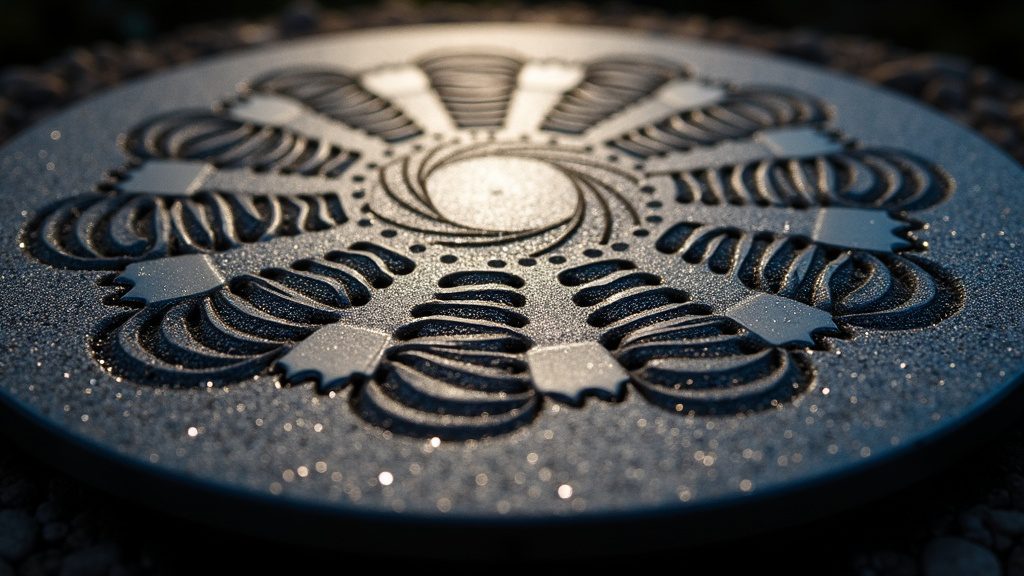
Cymatics basically means “visible sound.” The word comes from the Greek “kyma,” meaning wave. At its core, cymatics looks at how sound vibrations move through a medium, like water, sand, or powder, and create distinct, organized patterns. You might spot these patterns in videos or live demos, where someone sprinkles sand on a plate and then uses a tuning fork or speaker to send a sound wave through it. All of a sudden, the sand morphs into shapes that look straight out of sacred geometry or mandalas.
From a science angle, this happens because sound is a vibration, and vibrations carry energy. The energy ripples through the material, naturally sorting the grains or liquid into loops, spirals, and geometric shapes. Spiritually, many people (myself included) find meaning in these patterns. They remind us that harmony or resonance is not just an idea, but something we can literally see and feel. The study of cymatics offers a visual way to explore the relationship between energy, consciousness, and the physical world.
How Cymatics Patterns Form: The Science Explained
I get a lot of questions from clients about how these striking cymatics patterns actually emerge. It’s a little like nature’s own magic trick, but there’s a straightforward explanation rooted in physics. Sound waves move as vibrations. When these vibrations hit a physical surface, such as a thin metal plate or a dish of water, they create areas of high and low pressure.
Here’s what happens step by step:
- Introducing Sound: You tap a plate or play a tone through a speaker attached to it.
- Surface Responds: The vibrations move through the plate, bouncing around and setting up what’s called standing waves.
- Pattern Emerges: Particles like sand or fine powder are pushed away from the vibrating spots (called antinodes) and settle on the still, “quiet” spots (called nodes).
- Visual Geometry: This process creates distinct shapes: circles, squares, stars, and more, that evolve as you change the sound’s frequency.
The higher the frequency, the more complex and detailed the pattern gets. Watching this unfold, it’s easy to see how ancient cultures linked sacred symbols to vibrations and sound. They were probably witnessing similar natural wonders long before the word cymatics even existed.
Mandalas, spirals, and grids seen in many world traditions echo the forms born from these experiments. In a sense, cymatics provides a common thread linking science, nature, and spirituality, vividly showing that everything vibrates and that beauty arises when things get in tune.
Exploring Cymatics at Home: Simple Experiments
You can totally try basic cymatics experiments with stuff you might have at home. As a life coach, I love recommending hands-on activities like these because they’re grounding, meditative, and eye-catching. Here’s a super simple way to get into cymatics yourself:
- Grab a metal baking tray or a shallow dish, and sprinkle a thin, even layer of sand, salt, or fine sugar over it.
- Hold the tray above a small speaker, or use a tuning fork, and gently touch the edge of the tray.
- Play a pure tone or strike the fork, then watch as the grains suddenly leap into organized patterns.
Playing with different tones or frequencies will mix up the pattern each time. Try experimenting with meditative sounds, such as Tibetan or singing bowls, and notice how the designs change. It’s a powerful reminder that sound isn’t just heard, it’s also felt and seen. Even letting kids try this can spark curiosity and a sense of magic about science and energy.
If you’re up for more, try shining a flashlight across the tray to create dramatic shadows of the patterns. Photograph or sketch the images you spot—sometimes, you’ll stumble upon surprising similarities with ancient symbols or natural forms.
The Deeper Meaning: Cymatics, Healing, and Holistic Practice
Cymatics isn’t just a science showpiece. For me, it’s a daily inspiration for coaching, meditation, and healing work. These patterns remind us that everything is energy and that vibration organizes chaos into harmony. Here are some ways cymatics weaves into wellness practices:
- Sound Healing: Practitioners use tuning forks, singing bowls, or even vocal tones to switch up energetic imbalances in the body. Cymatics gives us a visual reference for how vibrations can restore alignment and peace within.
- Mindfulness: Watching cymatics patterns form is a kind of active meditation. It’s a gentle way to focus your mind and enter a calm, aware state.
- Sacred Geometry: Many cymatics shapes look just like those found in spiritual traditions, like the Flower of Life or mandalas. This connection deepens the sense that the universe is built on harmony, order, and connection.
- Creative Visualization: Using cymatics videos or images during meditation helps some people tap into a sense of “cosmic order” or inspiration.
In holistic coaching, I often use cymatics to help clients see energy in action. For anyone feeling out of sync, seeing these patterns can be a moment of aha, reminding you that underneath surface-level noise, there’s a place of deep order and peace available.
Sound baths, guided meditation, or group intention settings often include references to cymatics nowadays. The visuals help folks ground their intentions and “see” the effects of sound. Even simply looking at cymatics art or images can prompt a sense of peace and wonder, encouraging deeper reflection and clarity.
Tips and Common Challenges in Exploring Cymatics
Anyone getting started with cymatics will run into a few practical (and philosophical) questions. Here’s how I guide beginners through some typical roadblocks:
- Getting the Right Frequency: If you’re experimenting at home, using a frequency generator app or a digital piano or keyboard helps you dial in distinct tones. Different frequencies will yield totally different patterns, so play around a bit.
- Material Matters: Not every material will reveal patterns clearly. Thin, rigid surfaces, such as metal plates, usually work best. Heavier or more flexible materials absorb too much vibration and make the shapes less obvious.
- Patience Pays Off: Sometimes the patterns take a bit to emerge, or they quickly collapse if the volume is too high. Adjusting the setup and trying different grains or powder goes a long way. Less is usually more when it comes to materials and force.
- Setting Intentions: For spiritual practice, I like to combine pattern watching with setting a personal intention or affirmation. Linking the power of visuals with mindfulness makes the experience even richer and cements your focus.
Like any mindful practice, there’s a real balance between curiosity and patience here. Watching the patterns unfold can feel a bit like watching your thoughts settle during meditation. It takes a bit of time, but the results are honestly beautiful.
Don’t worry if the process takes a few tries. Think of it as a fun experiment—each attempt reveals its own story, and occasional imperfections can be even more meaningful than the “perfect” geometry. Stay curious and enjoy the adventure.
Real-World Applications: Where Cymatics Shows Up Beyond Science
I love that cymatics isn’t just about next-level cool science demos. Researchers and artists have started using cymatics to explore everything from design and music to environmental studies. Its influence has grown fast in creative and scientific circles:
- Art & Design: Artists use cymatics as inspiration for prints, ceramics, and multimedia works. These shapes naturally draw our eyes because they echo universal patterns and themes found in nature.
- Music Therapy: Some holistic practitioners incorporate cymatics visuals during sound healing to help clients connect visually with what they’re hearing and experiencing. The merging of sight and sound can make healing sessions more memorable.
- Education: Educators use cymatics to teach about sound waves, physics, and the interconnectedness of nature. It’s one of those things that immediately draws students’ attention in the classroom, sparking questions and enthusiasm.
- Architecture & Acoustics: Understanding vibration patterns helps engineers design quieter, more peaceful buildings by minimizing unwanted noise and resonance. Cymatics plays a behind-the-scenes role in creating environments that are comfortable and pleasant to live or work in.
If you’re interested, there are tons of impressive cymatics demonstrations online, including the work of pioneers like Hans Jenny and modern creators like Nigel Stanford. These examples show how cymatics is helping people understand the unseen aspects of reality, practically and seamlessly bridging the arts, sciences, and mind-body practices.
Recently, environmental studies have even used cymatics to visualize pollution’s impact on natural water frequencies, highlighting the interconnection between sound, health, and nature. It’s an exciting, growing field that offers lessons for eco-conscious living and wellness alike.
Frequently Asked Questions
Here are some questions I regularly hear from clients and students exploring cymatics and sound-based mindfulness:
Question: What equipment do I need to create cymatics patterns at home?
Answer: You mostly need a metal or glass plate, some sand or salt, and a way to create vibrations (like a speaker, tuning fork, or even a phone app). Simplicity is key, and experimenting helps you learn quickly.
Question: Are cymatics patterns only found in sound experiments?
Answer: While sound is the easiest way to see them, similar patterns appear in nature, like on animal skins and even in the way planets form rings or waves. Vibration is everywhere! Even the way you speak or sing can make subtle waves in your surroundings.
Question: Can watching cymatics support meditation or mindfulness?
Answer: Definitely. Many people find watching cymatics videos or live demos puts them in a focused, peaceful state, making it an excellent tool for mindfulness or creative thinking. You can also use cymatics visuals as a screensaver or wall art as a calming reminder.
Cymatics in Everyday Spirituality
Bringing cymatics into your practice is surprisingly easy. You don’t have to be a physicist or artist, just a bit curious and open. Whether you’re looking for relaxation, a fresh approach to meditation, or a deeper understanding of energy, witnessing the transformation of chaos into order through vibration feels both grounding and uplifting. It’s a powerful reminder that harmony is possible, within and around you.
Checking out the science behind cymatics isn’t just about learning what makes those beautiful patterns. It’s about seeing energy and intention take visible form, and realizing your voice, thoughts, and actions ripple out and shape your world in ways you might not expect. Let yourself experiment, observe, and reflect—you might stumble upon a new layer of wonder and insight waiting just beneath the surface of sound.