Ever wonder why some sounds seem to make your mind clearer, or why certain music seems to give a quick boost in creativity? Using cymatics to step up learning and creativity brings sound and vibration into your daily spiritual routine, blending ancient wisdom with cutting-edge science. If you want to dig into your practice, redirect patterns, or spark your imagination, cymatics has plenty to offer.
What is Cymatics? A Simple Introduction
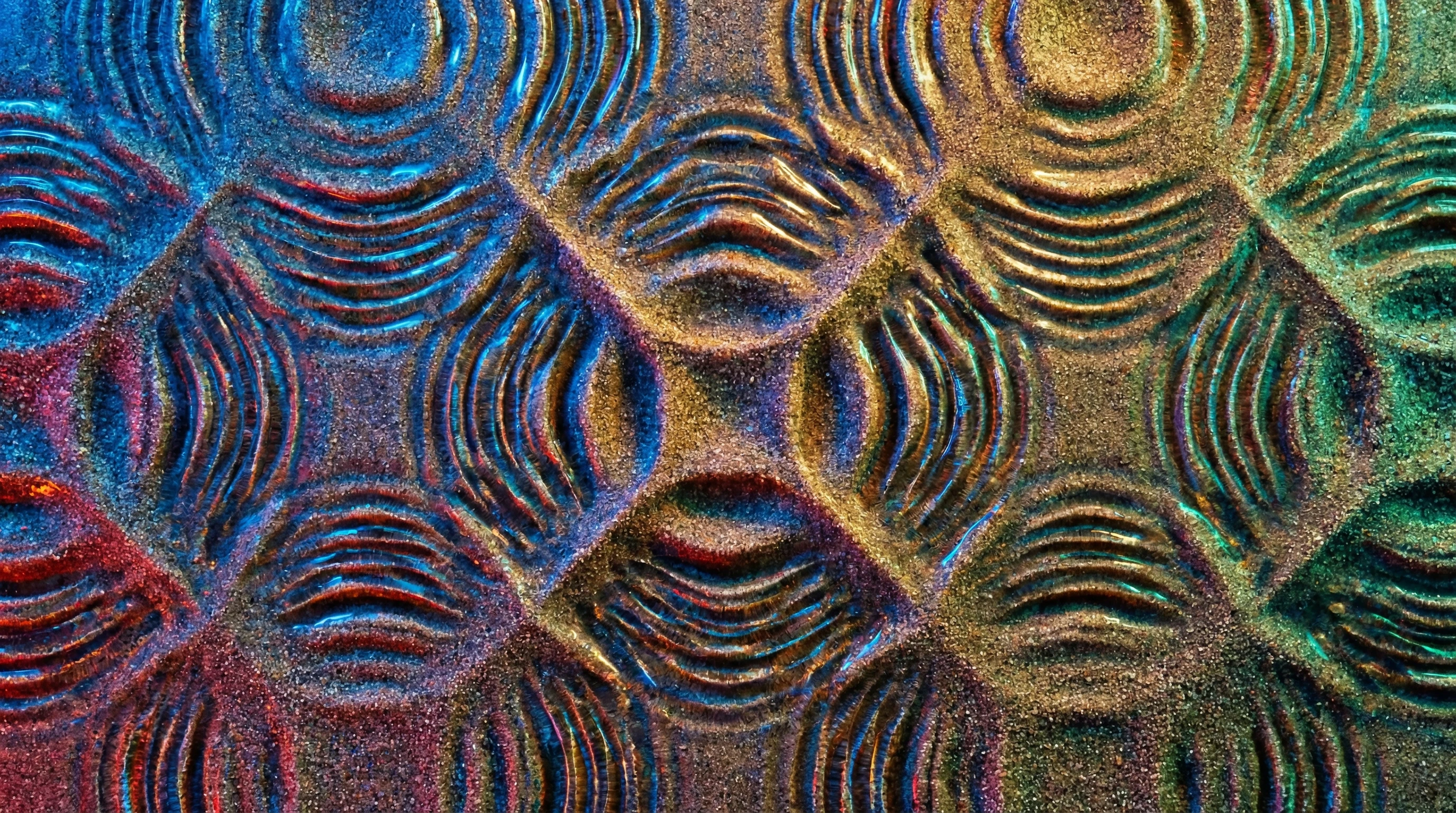
Cymatics is the study of visible sound and vibration. It’s much older than it seems; ancient cultures played with this idea to check out how sound shapes reality. The modern cymatics buzz came in the 1960s thanks to Swiss scientist Hans Jenny, who sprinkled sand, water, and small particles on metal plates and watched geometric patterns come alive at various frequencies.
Witnessing sound’s effect in this way is truly an eye-catching experience. At first glance, it might seem like art, but cymatics suggests that sound can reorganize not just sand, but also your thoughts, energy, and even the ways your brain connects ideas. Neuroscience is clear: sound can boost mood, focus, and alter neural pathways. If you already use breathwork, meditation, or other forms of self-improvement, cymatics is worth checking out for its visual impact and its vibe-altering potential.
How Cymatics Supports Learning and Memory
You might ask, “How does watching a plate of sand move around help me become a better learner?” It comes down to your brain syncing up with rhythm and frequency. Studies—like those cited by neuroscientist Dr. Andrew Newberg—show our brainwaves adjust to outside rhythms. That’s the reason drum circles create connection, and why binaural beats have gotten so popular in meditation apps.
Cymatic patterns are more than just pleasing; they give your mind a way to tune in with regular, repeating rhythms. When you listen to or watch cymatic sounds, your brain often shifts from stressed beta waves to relaxed alpha or even deeper theta states. These are the states where information sticks and creative moments flow. If you’ve ever struggled to focus during a study session or felt stuck in meditation, adding some pure tones or watching cymatic patterns could make a quick difference.
Here’s how cymatics can help in real life:
- Sharpening focus: Gentle sine waves or natural sounds help your brain enter a calm yet alert state.
- Boosting memory retention: Studying while exposed to simple, repetitive tones or cymatic visuals helps clear distractions and allows new facts to stick.
- Toning down anxiety: Balanced sound patterns can lower stress hormones, leaving you relaxed and open to learning.
No need for fancy gear here. You can check out YouTube for cymatic videos, or use a tone generator app with headphones—this simple setup is often enough. [INTERNAL LINK]
Unlocking Creativity With Cymatics: Beyond Ordinary Art
It’s tempting to think creativity is all about random bursts of inspiration, but cymatics shows that creativity can be invited in and cranked up through vibration. Artists and musicians have made cymatics the starting point for new projects—from mandala artwork inspired by sound-made patterns to full music albums built on vibration-driven rhythms.
Arranging your environment with sounds—whether chimes, tuning forks, crystal bowls, or digital apps—gives your nervous system new channels to express itself. Watching a cymatic plate organize from randomness to symmetry can remind you to break out of old ways of thinking and try something new.
Some ways cymatics helps bring creativity to life include:
- Sparking ideas: Changing your space with visible sound nudges your brain toward new connections.
- Moving through creative blocks: Rhythmic sounds help tone down mental static and encourage playful, open thought.
- Tapping into intuition: Ancient traditions like Nada Yoga use sound to get closer to inner wisdom—and cymatics offers a striking visual to add.
In group workshops, for example, participants often find that watching cymatic visuals together fosters collaboration and helps break through collective creative barriers. Some creative teams even use cymatic sound sessions to set the tone for brainstorming, finding that shared rhythmic environments prime everyone for more open-minded exploration and new ideas.
If you’re an educator or team leader, consider bringing short cymatic sound demos into class or meetings. Even a few minutes of pure tones, accompanied by cymatic visuals, can lift a group’s energy and spark new discussions. For solo artists or remote workers, try opening your creative session with a few minutes of flowing cymatic videos. Note how your ideas develop compared to working in silence. Over time, you might stumble upon new rhythms that boost your workflow.
Common Misconceptions About Cymatics in Spirituality
There’s a lot of buzz around sound healing and “high-vibe” culture, and cymatics can sometimes get lumped in with magical thinking. Let’s clear up a few points:
- Cymatics isn’t magic; it’s just the way vibration acts on matter. There’s no need for belief in anything mystical; it’s rooted in physics. The spiritual piece is personal, coming from how you experience the patterns and pair them with your own practices.
- It doesn’t replace other tools; using cymatics to give learning or creativity a boost makes the most sense when blended with things like movement, breathwork, or journaling. View it as a bonus, not a standalone fix.
- Your choice of sounds matters; Not every frequency works for everyone. Loud, chaotic sounds can stress out your system, so stick to pure, harmonious tones for the best results in focus and imagination.
How to Try Cymatics at Home: Simple Practices
Bringing cymatics into daily life doesn’t mean buying special equipment. Here are simple paths to try:
- Watch or make cymatic visuals. Search online for videos that show sand, water, or powder “dancing” to different tones. Take slow breaths while watching and let your focus rest on the changing shapes.
- Use tone baths or pure tones when working or studying. Headphones, a tone generator app, or recordings of a single frequency like 432Hz or 528Hz can help ground your attention.
- Add sound to meditation. Striking a singing bowl for a few minutes before or after meditation can prep your mind for relaxation and creative thinking.
- Do a DIY cymatics experiment. Fans of hands-on projects can sprinkle salt onto a thin metal pan, then play tones using a phone speaker below. Notice the shapes before and after, and see how your mood or focus changes.
Take five minutes before your next study or creative session to check out a cymatic sound or visual. Tune into how your energy, mood, and ability to focus change. Over time, you’ll find which patterns open your mind best
Frequently Asked Questions About Cymatics, Learning, and Creativity
Q: Do I need expensive equipment to get the benefits of cymatics?
Nope. There are countless free cymatic videos and sound recordings available. Even a basic Bluetooth speaker or phone works. The secret is regular practice and picking sounds or visuals that help you feel inspired and calm.
Q: Can cymatics help with meditation?
Absolutely. If your brain has trouble settling down, try adding harmonic tones or repeating cymatic visuals. They often make it easier to reach a meditative mindset by calming mental chatter.
Q: Are there risks to using sound for learning or creativity?
Comfort is key—if a sound feels off, don’t force it. Shift to gentler, more natural frequencies and keep volume reasonable. Too much noise can lead to stress, so listen to your body.
The Big Takeaway
Using cymatics to step up learning and creativity is really about adjusting your space—and your brain—to rhythms that help you learn, meditate, and create with more flow. Try out different sounds, listen to how they make you feel, and add cymatics to your spiritual or creative toolkit. The sound and visuals you stumble upon today could become the spark for your next-level cool and most grounded self tomorrow.
Using cymatics to step up learning and creativity can boost focus, spark new ideas, and deepen meditation. Here’s how to try it yourself.
- Related post idea: “Binaural Beats for Deep Meditation: Science & Practice.”
- Related post idea: “Ancient Sound Healing: Tools for the Modern Seeker.”
- Related post idea: “Creating a Home Sound Bath: Simple Tools for Calm.”